Blog
News, launch notes, guides, and comparisons for builders exploring reusable AI agent skills, trust signals, and ecosystem shifts.
Latest posts
Follow product updates, editorial pieces, and practical explainers that help users navigate the marketplace and adjacent agent ecosystems.
-
A PR Diagram Review Packet Before Architecture Changes Merge
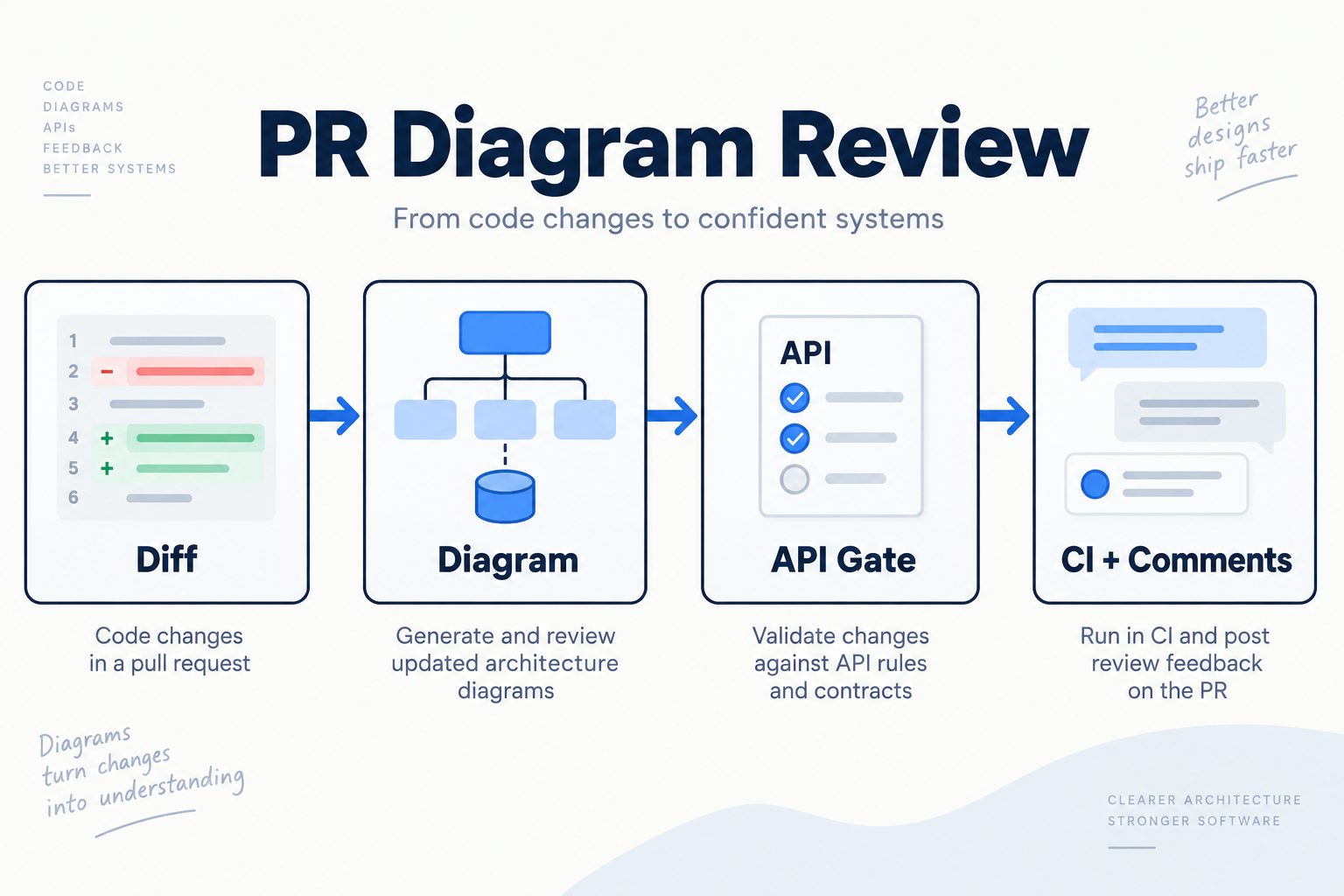
Architecture changes are hard to review from a pull request alone. A diff can show which files moved, which endpoint changed, and which tests ran, but it rarely shows whether the system still makes sense as a whole. Before a significant architecture…
-
CodeWhale, FuXi, hax, Termio, or Autoprompt: Picking a Terminal Agent Stack
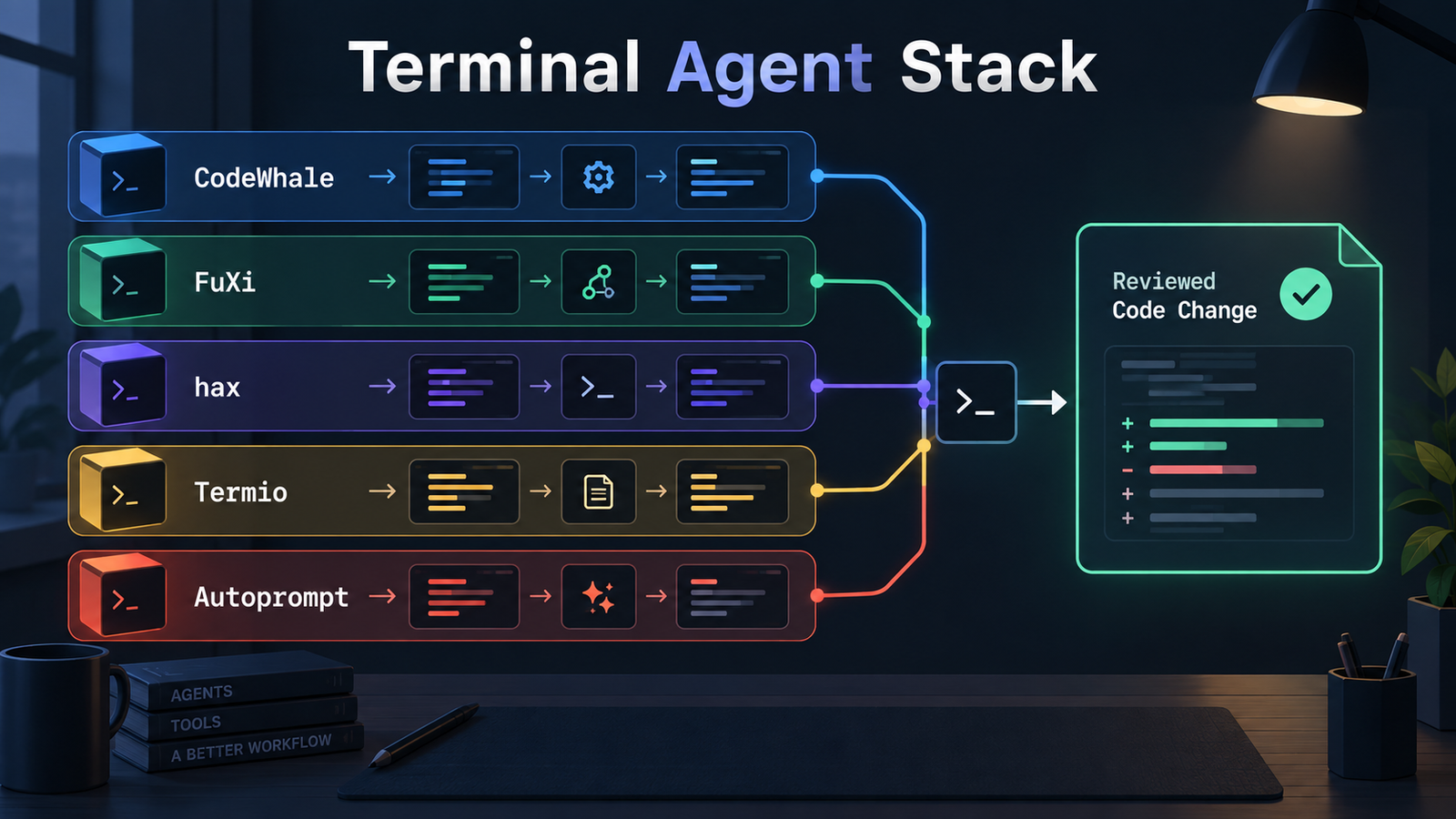
Terminal coding agents are easiest to compare when you stop asking which one is best and start asking what role the tool should play in the operator loop. Some teams want a single local agent that can edit files, run tests, and…
-
A Support-to-Issue Handoff Packet for Busy Product Teams
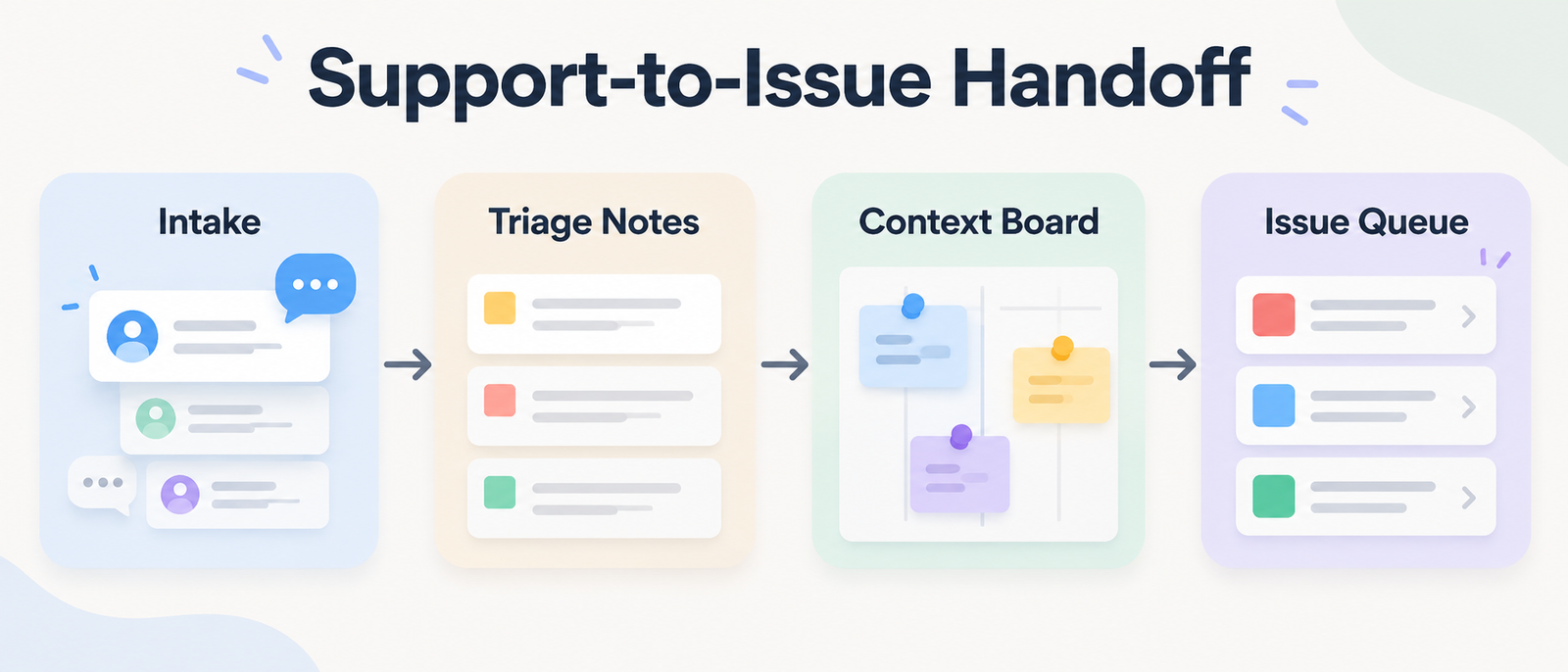
Support-to-issue handoff breaks down when intake is treated as a forwarding problem. A customer email, a Slack thread, a product note, and a Linear issue may all describe the same problem, but each one carries a different kind of evidence. The job…
-
ASE Weekly Changelog: NotebookLM, Kubernetes, and Document Review Routes
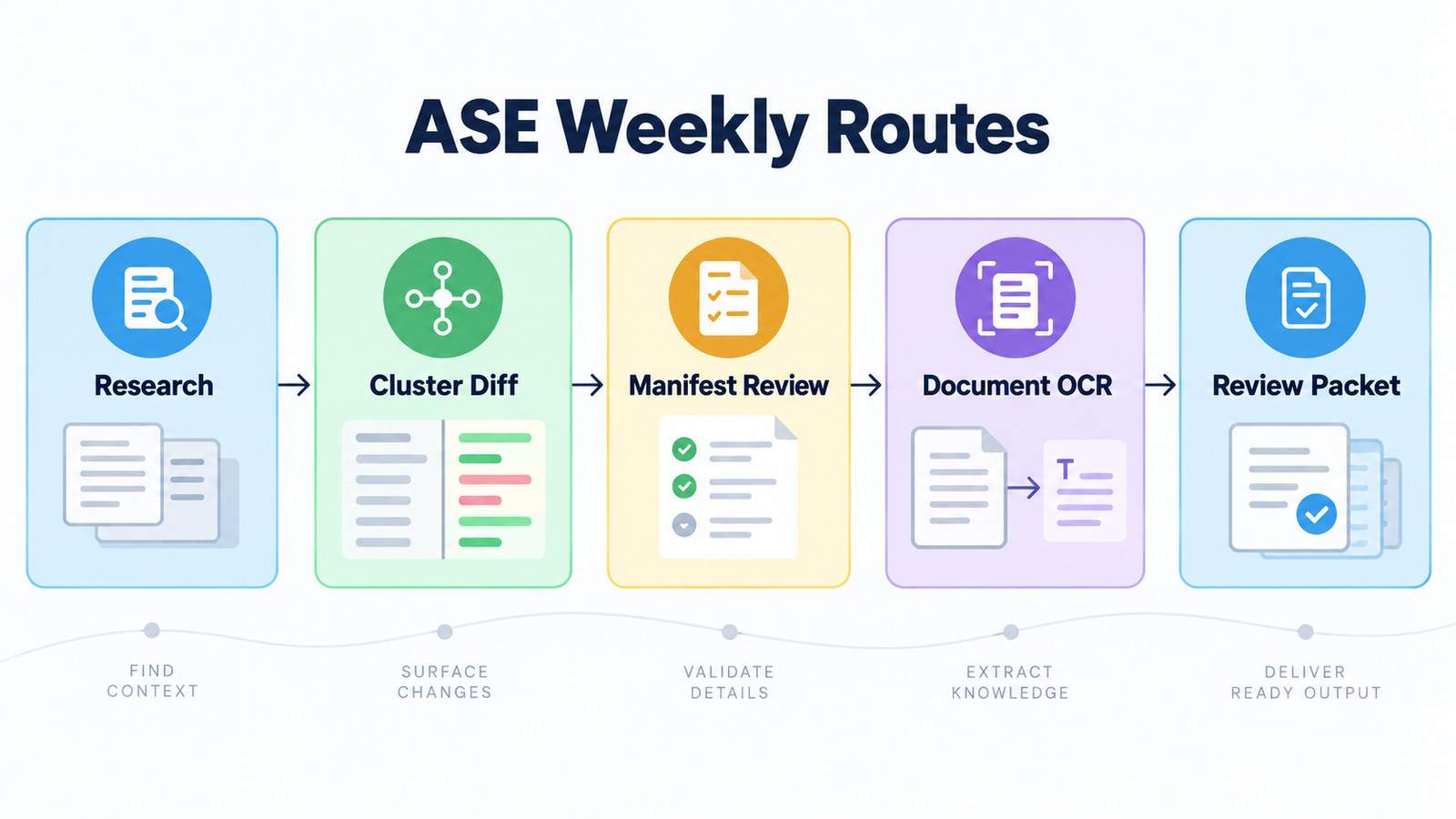
Agent Skill Exchange has been adding more operator-facing routes for teams that need agents to work from evidence, not loose intent. This week’s useful pattern is not one tool category. It is a handoff path: research context, infrastructure review, document extraction, and…
-
Doc Extraction Stack: PyMuPDF, OCRFlux, MonkeyOCR, DocExt, or DocStrange?
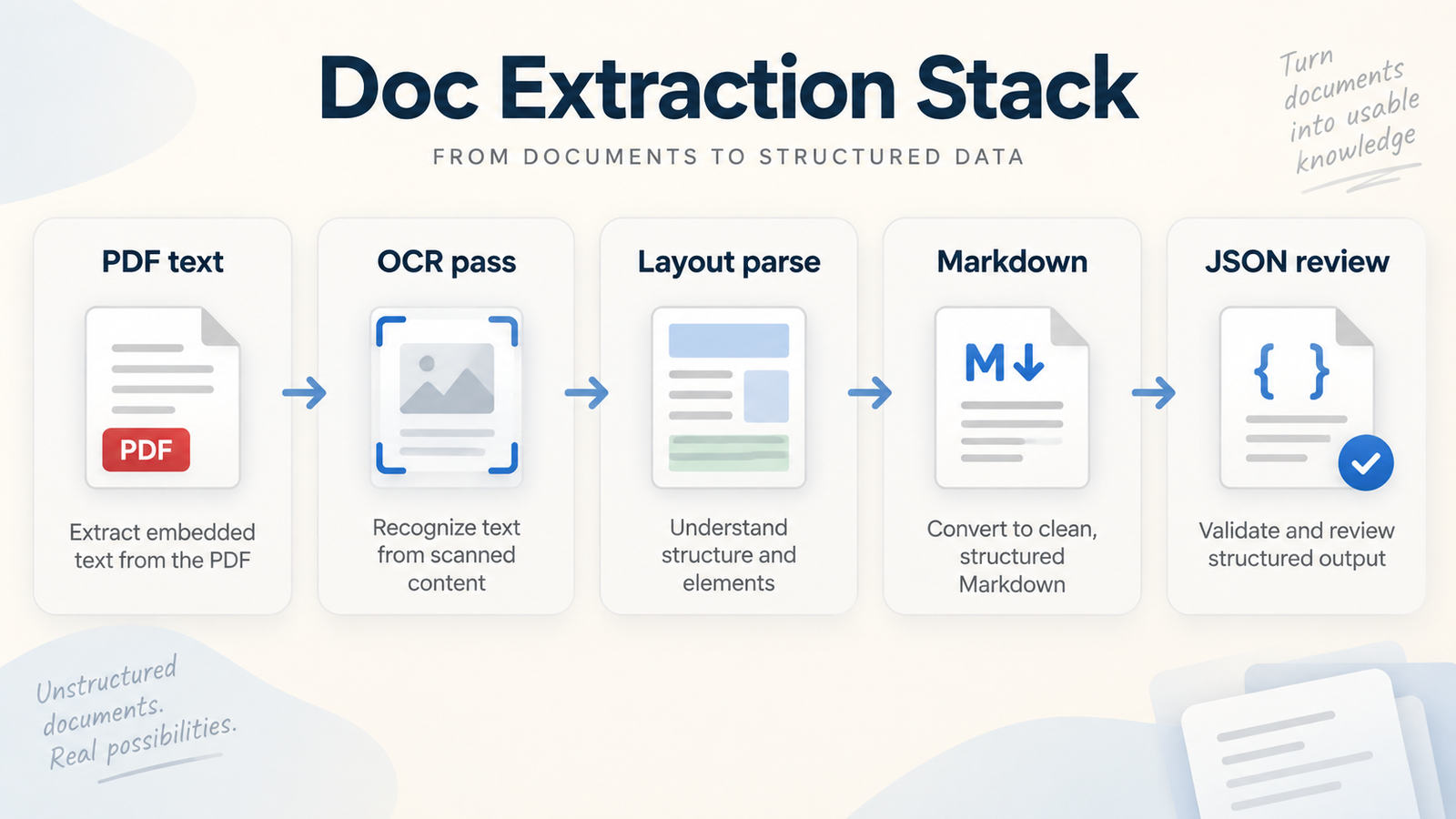
Document extraction is not one job. A text-first PDF, a scanned invoice, and a research report with tables all need different handling before an agent can review the result. The right stack depends on what you need to preserve: text fidelity, OCR…
-
An OpenAPI Client Regeneration Packet for Agent-Written Integrations
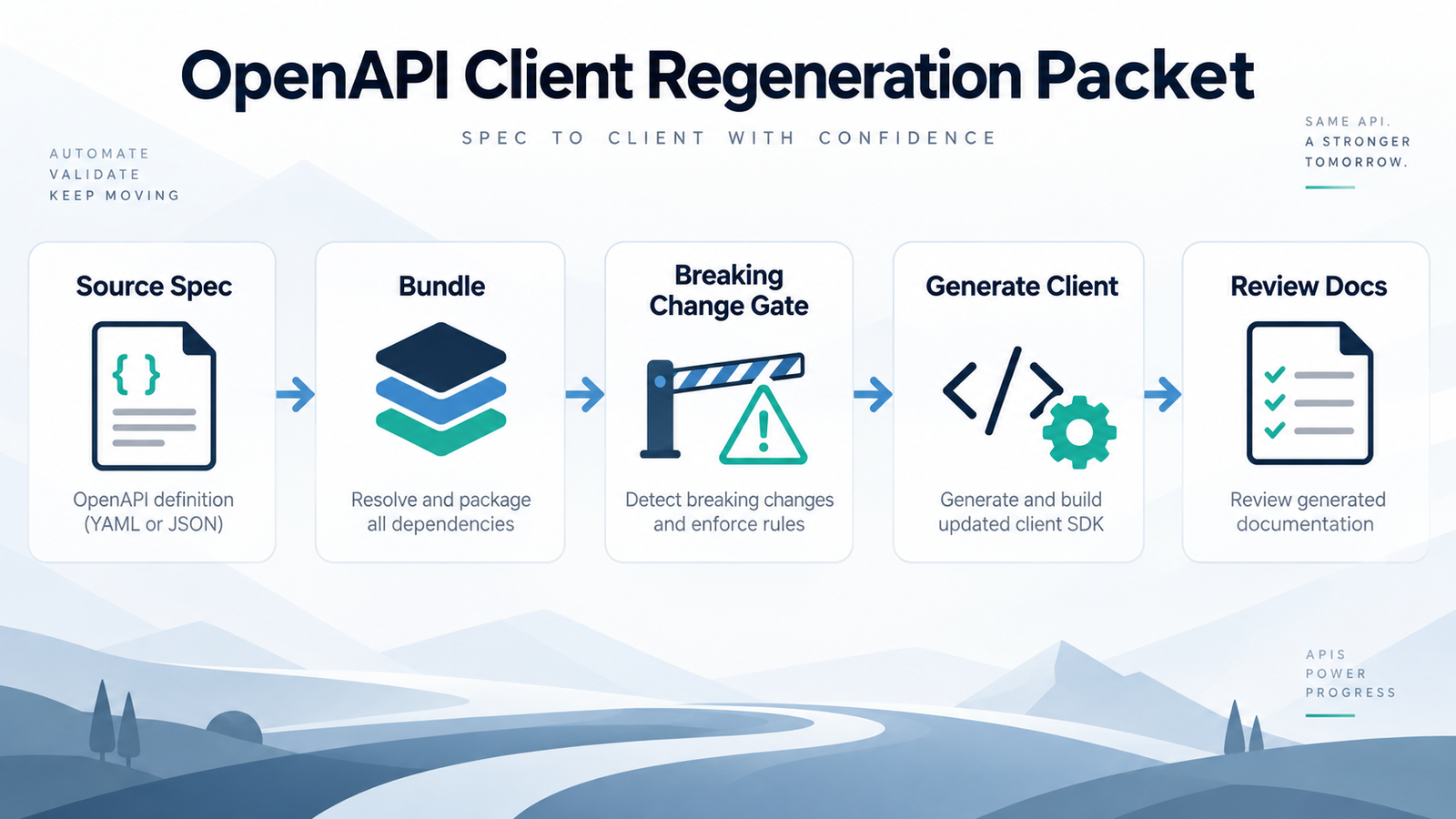
Agent-written integrations move quickly, but generated clients still need a disciplined release packet. The risk is rarely the generator alone. It is the chain around it: unresolved OpenAPI references, unreviewed breaking changes, stale SDK examples, copied credentials in test fixtures, and documentation…
-
A Telemetry Incident Playbook for Kubernetes and Cloud Signals
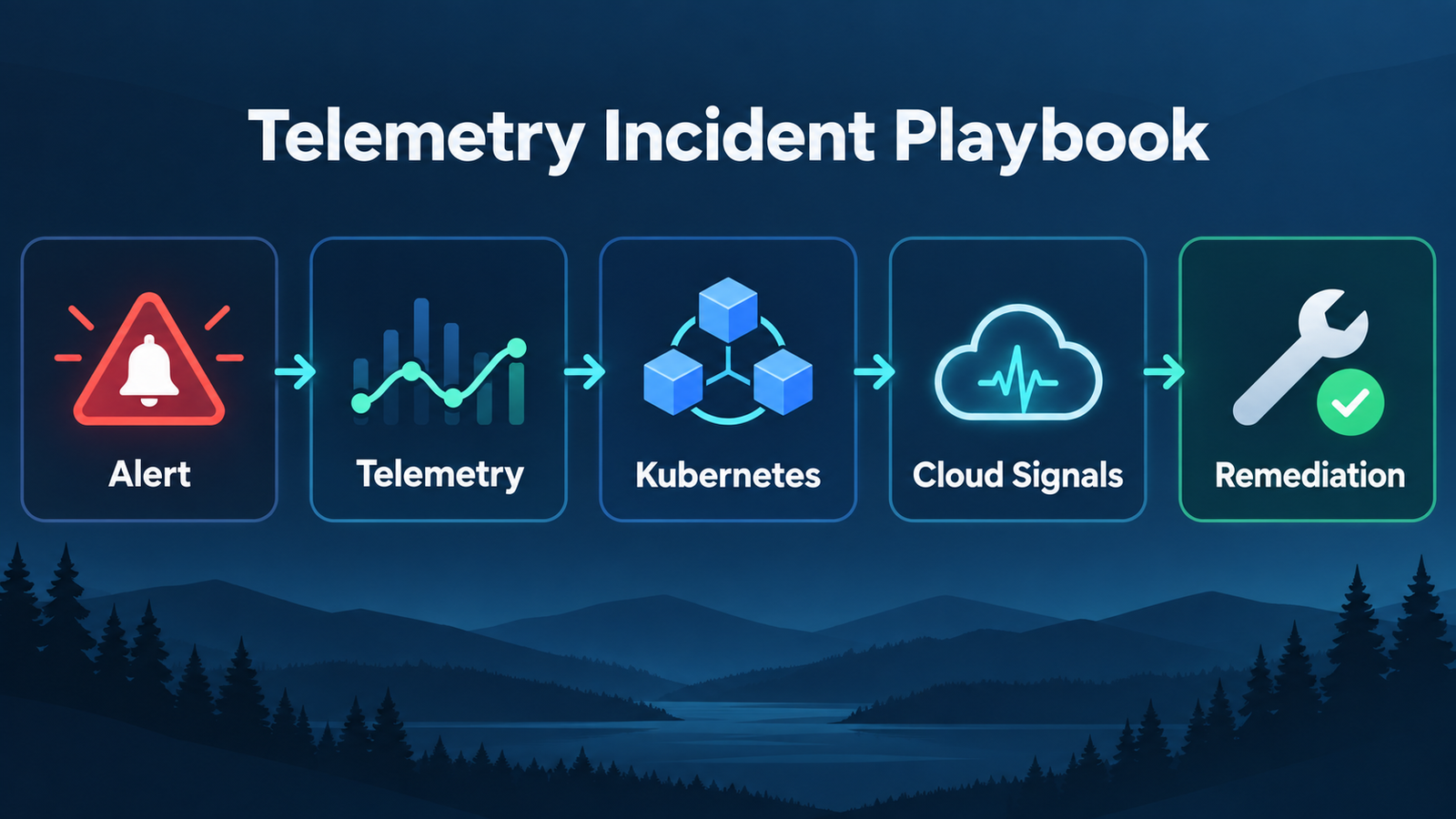
A telemetry incident playbook gives an on-call team one bounded way to move from alert noise to reviewable evidence. The useful version does not ask an agent to “fix production.” It asks the agent to collect the right signals, separate symptoms from…
-
Skill Spotlight: Source-Grounded NotebookLM Studio Batches
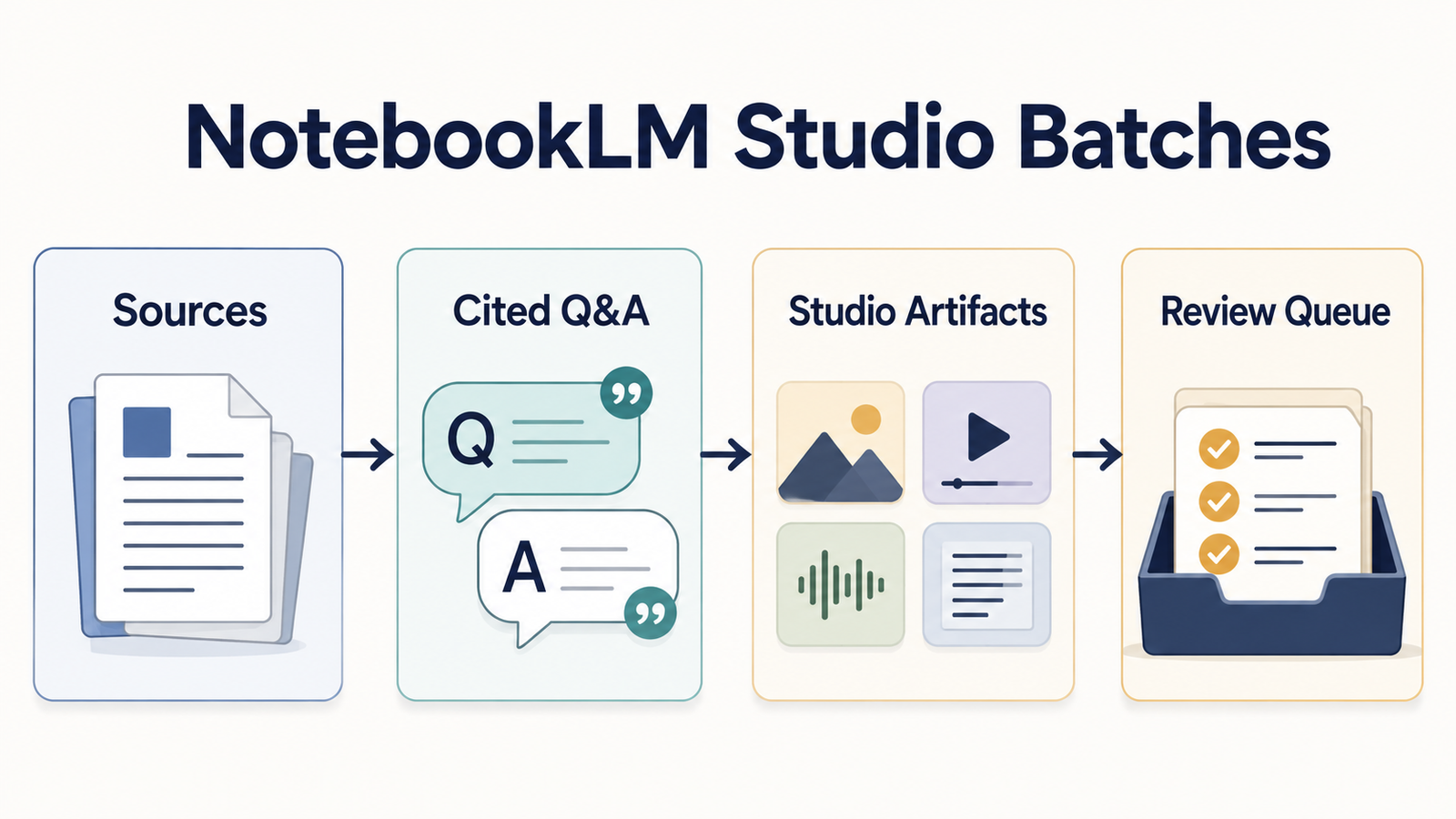
In Short NotebookLM is useful when a research job should stay anchored to a defined source set instead of drifting into broad web synthesis. The source-grounded batch pattern is simple: collect sources, ask narrow questions, generate reviewable Studio artifacts, and route the…
-
A Kubernetes Manifest Review Packet Before Agent-Driven Cluster Changes
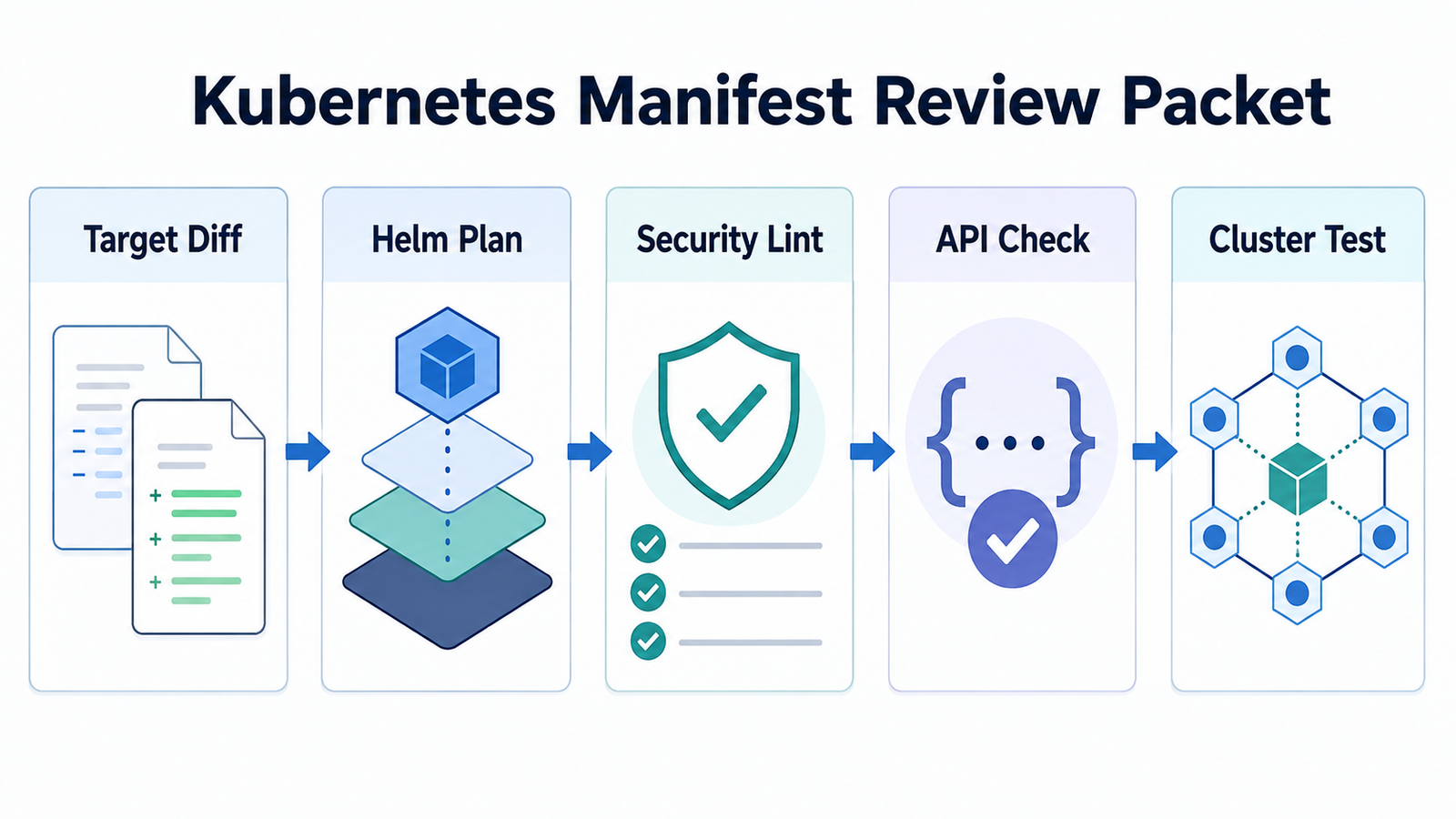
Kubernetes cluster changes are easy to describe and surprisingly hard to review. A pull request may include raw manifests, Helm values, generated YAML, environment overlays, deprecated API versions, security-sensitive defaults, and tests that only make sense against a real cluster. A good…
-
NotebookLM MCP, CLI, or Python API: Choosing a Research Automation Path
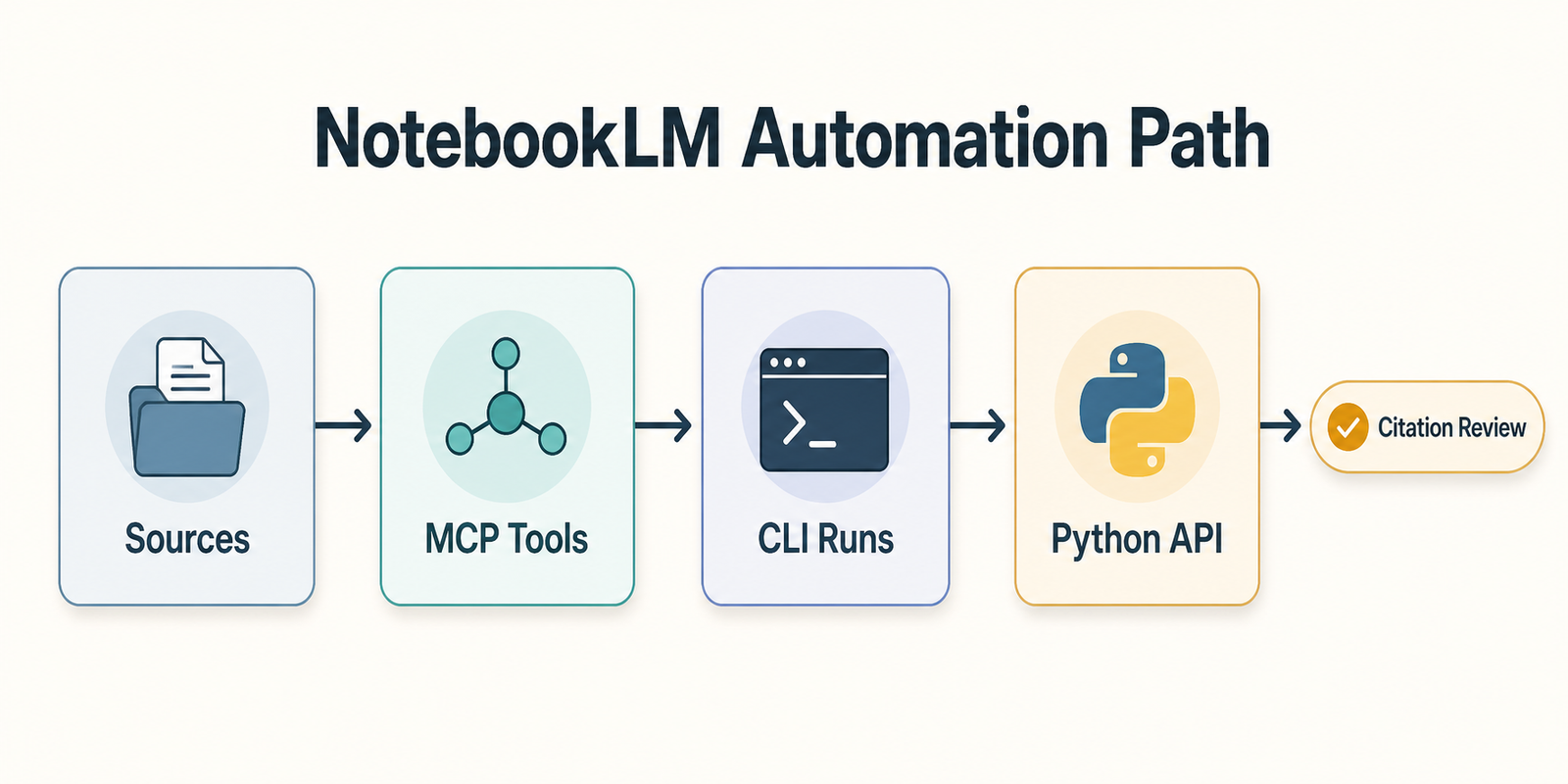
NotebookLM is useful when a research workflow needs source-grounded answers, summaries, study artifacts, and citations that a reviewer can trace. The automation question is not whether to use NotebookLM at all. It is where to put the automation boundary: an MCP server…