Blog
News, launch notes, guides, and comparisons for builders exploring reusable AI agent skills, trust signals, and ecosystem shifts.
Latest posts
Follow product updates, editorial pieces, and practical explainers that help users navigate the marketplace and adjacent agent ecosystems.
-
A DevRel Knowledge Automation Playbook for Docs and Research Teams
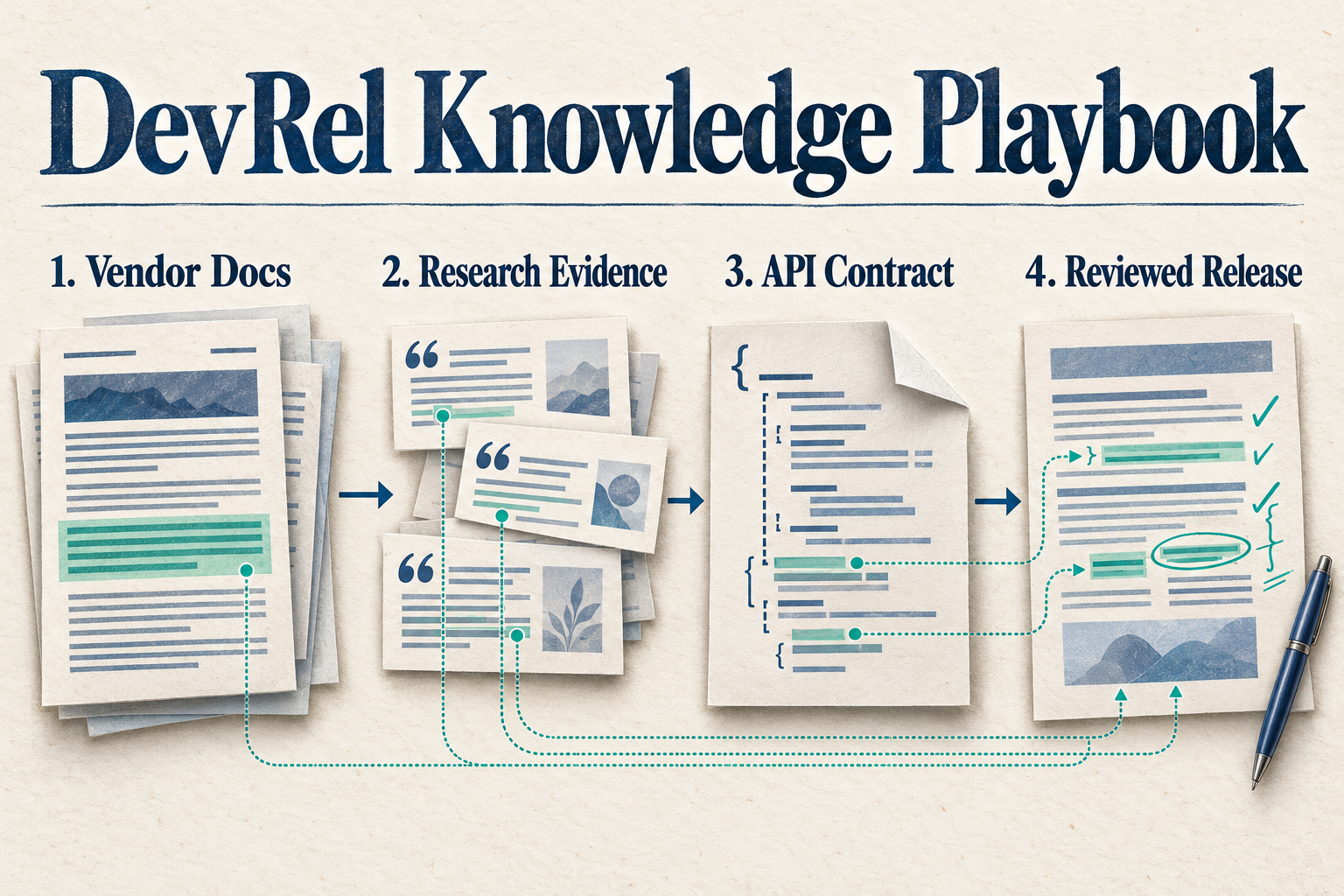
In Short A useful DevRel knowledge automation workflow produces an evidence packet before it produces a public answer. Start with vendor docs, separate research findings from product guarantees, validate the API contract, and review every outward-facing claim against its source. NotebookLM artifacts…
-
A Multi-Agent Coding Review Packet Before Parallel Work Merges
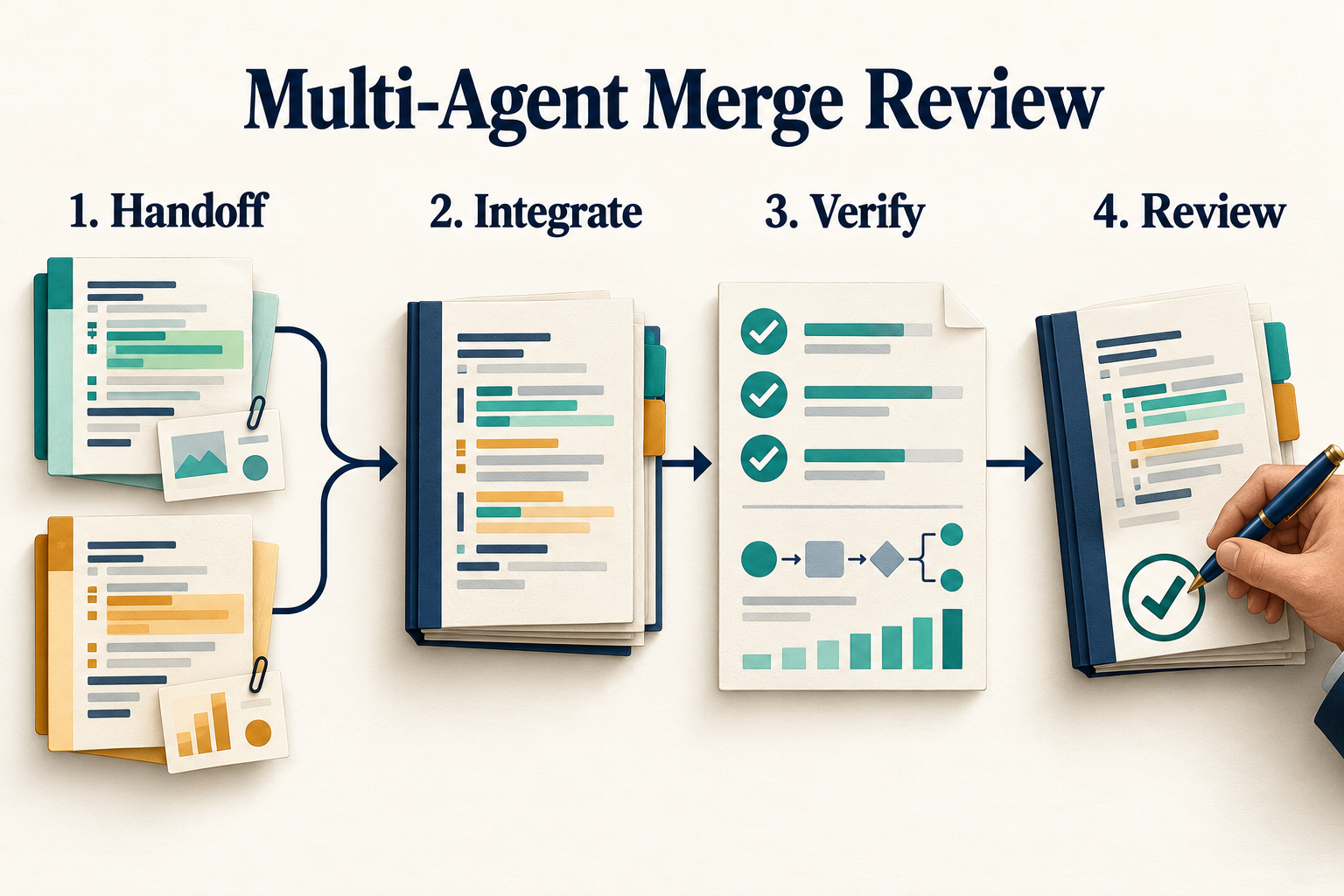
In Short A multi-agent coding review packet connects parallel changes to one reviewable result: the integration commit, each worker’s handoff, test evidence, CI status, and unresolved review comments. Build it before merging so a reviewer can trace what changed, why it changed…
-
Judge0, SandboxFusion, OpenSandbox, or SandBase: Choosing a Code Sandbox
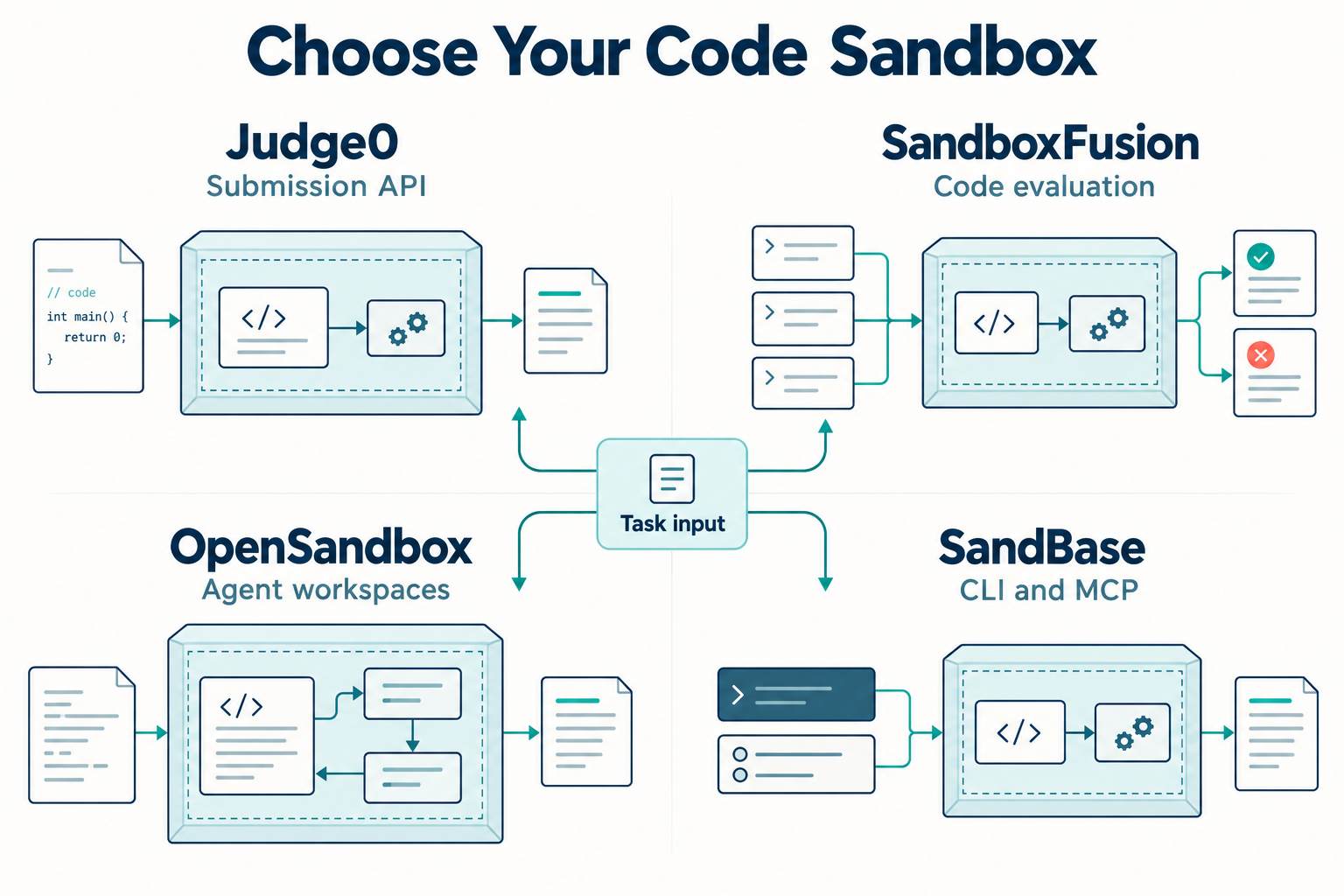
In Short Choose a code sandbox by the execution contract your application needs. Judge0 fits code submissions through an HTTP API; SandboxFusion fits running and judging model-generated programs; OpenSandbox fits agent workspaces with commands, files, and lifecycle management. SandBase needs a separate…
-
Skill Spotlight: Yuxi for Private RAG and MCP Skill Workspaces
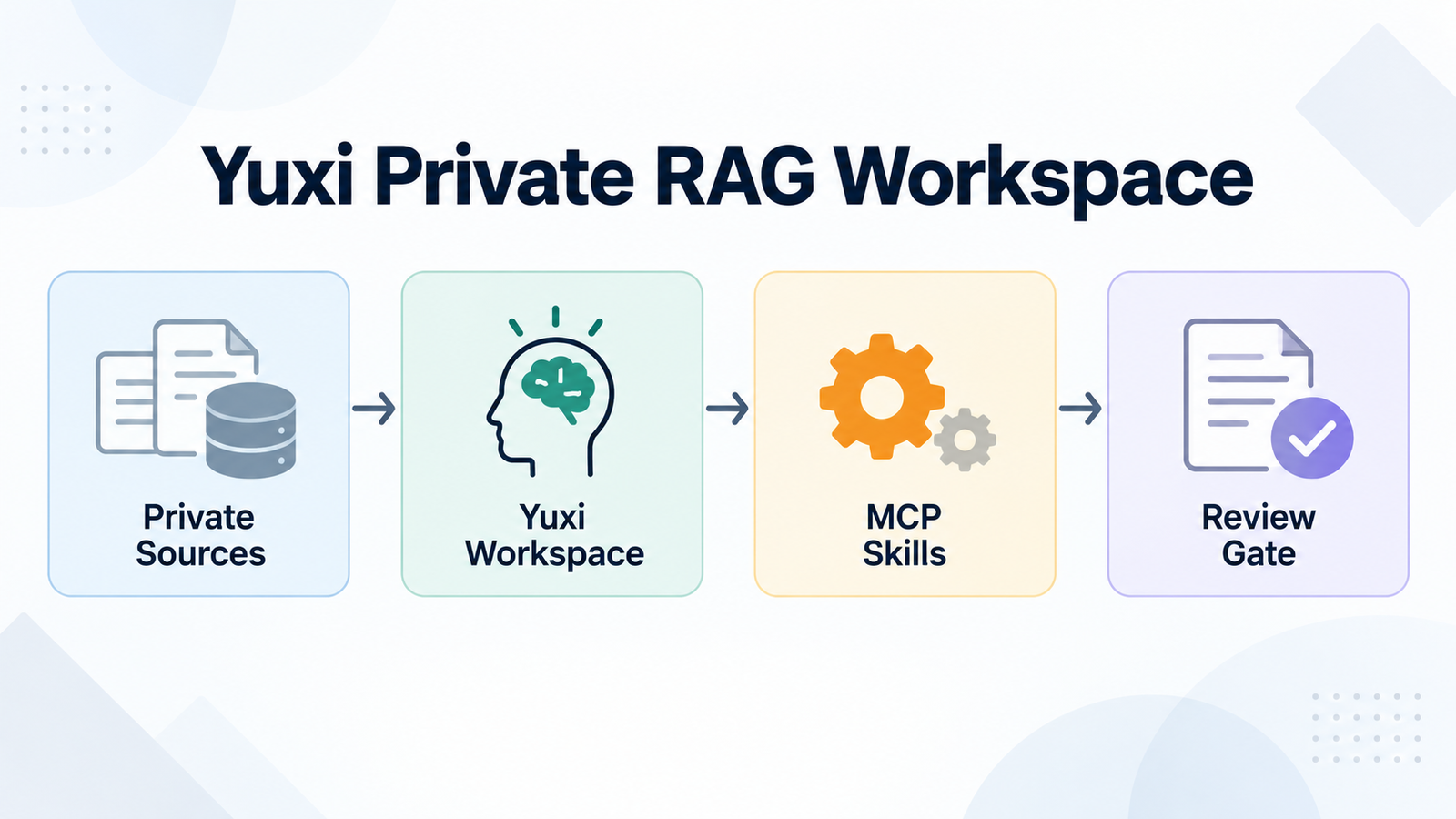
Private RAG workspaces are useful only when the operator can explain what the agent saw, which tools it could reach, and where a human reviewed the result. Yuxi is interesting because its official project positions it as a privately deployable, multi-tenant knowledge-agent…
-
A Data Platform Retrieval Playbook for Analytics Engineering Teams
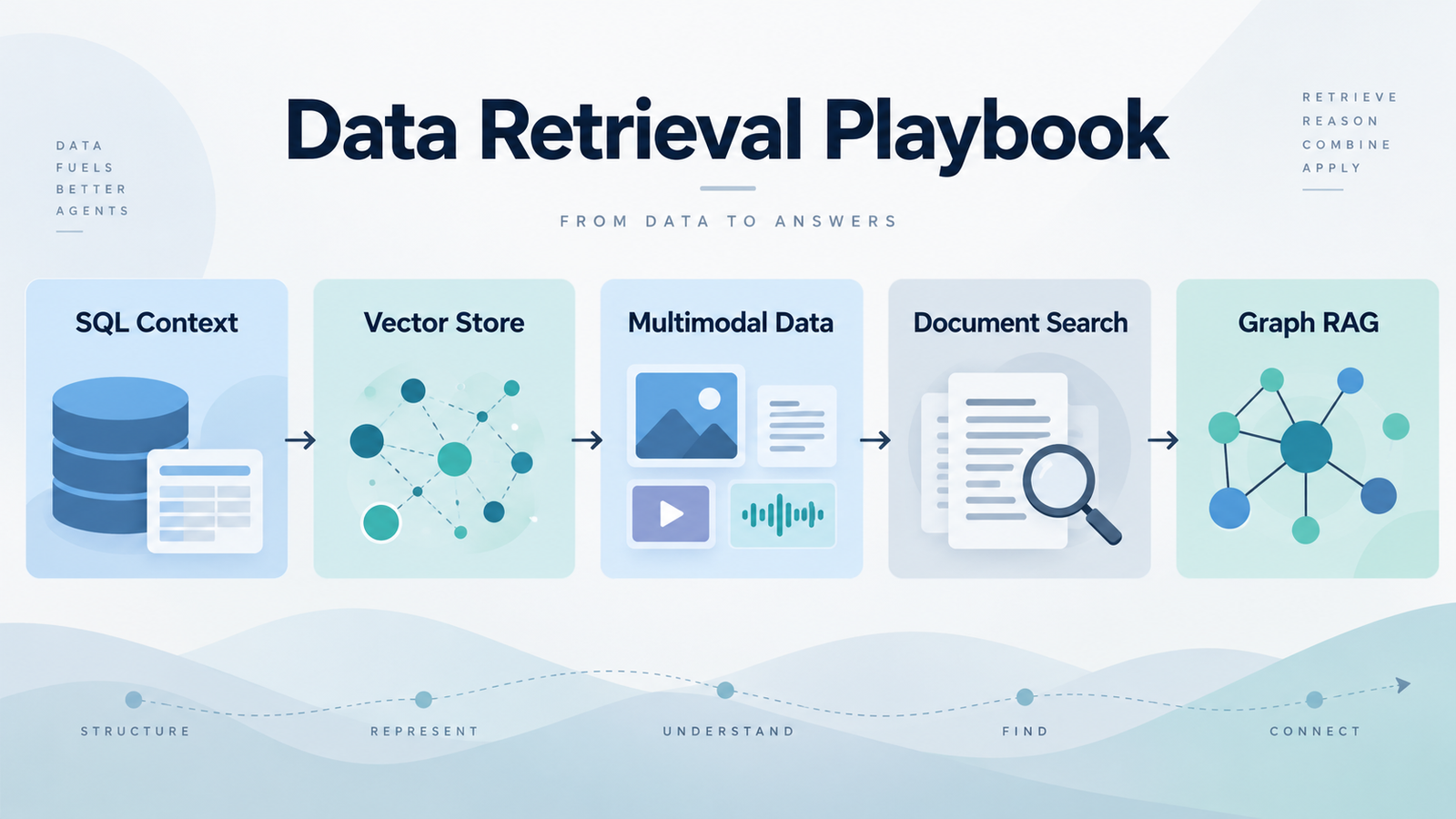
Analytics teams rarely have one retrieval problem. They have warehouse tables, semantic layers, dashboards, dbt docs, notebooks, PDFs, slide decks, customer exports, and experimental vector indexes sitting beside each other. A data platform retrieval playbook gives the team a reviewable path for…
-
An LLM App Eval Release Gate Before Prompt or Model Changes Ship
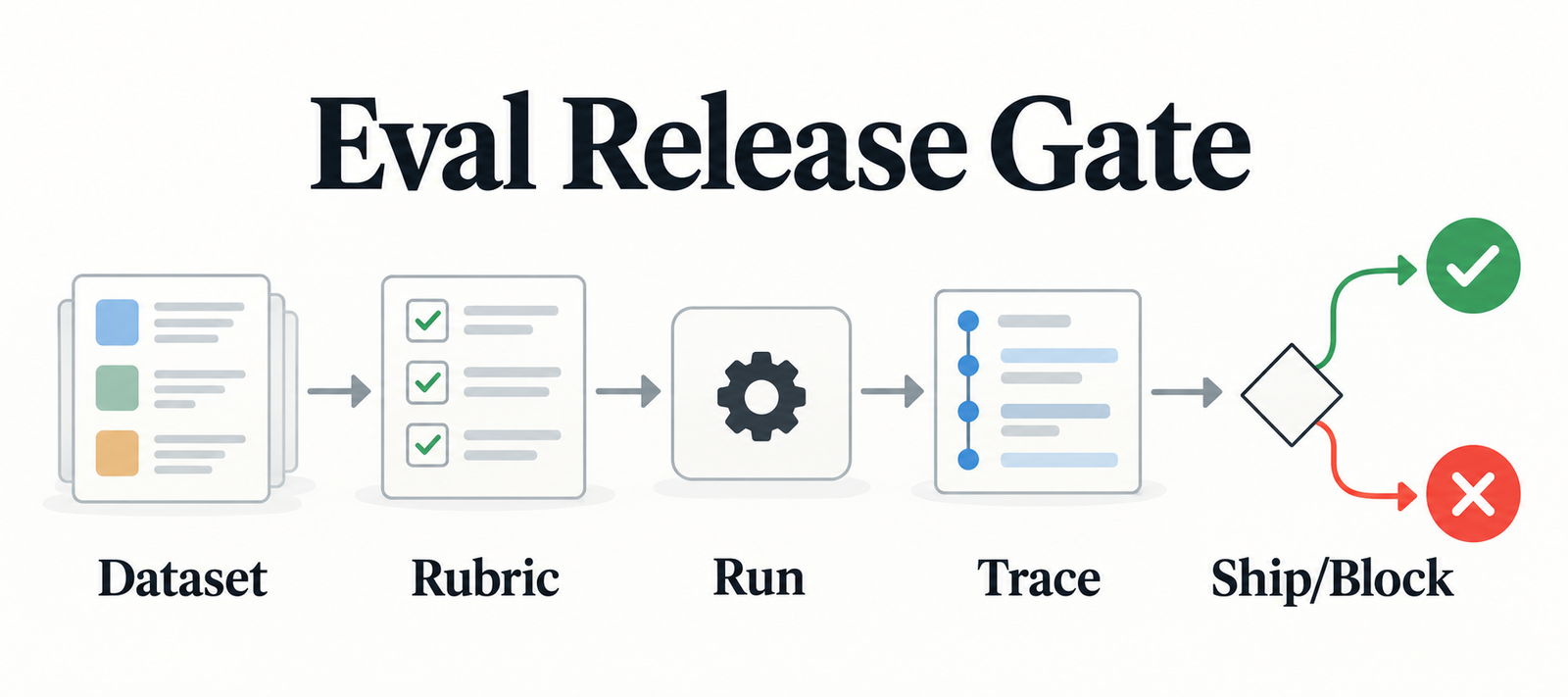
Prompt and model changes should not ship on confidence alone. A useful LLM app release gate turns the change into a small evidence packet: the dataset used to test it, the rubric that defines acceptable behavior, the run output, the traces that…
-
ASE Weekly Changelog: Evals, Private RAG, and Code Sandboxes
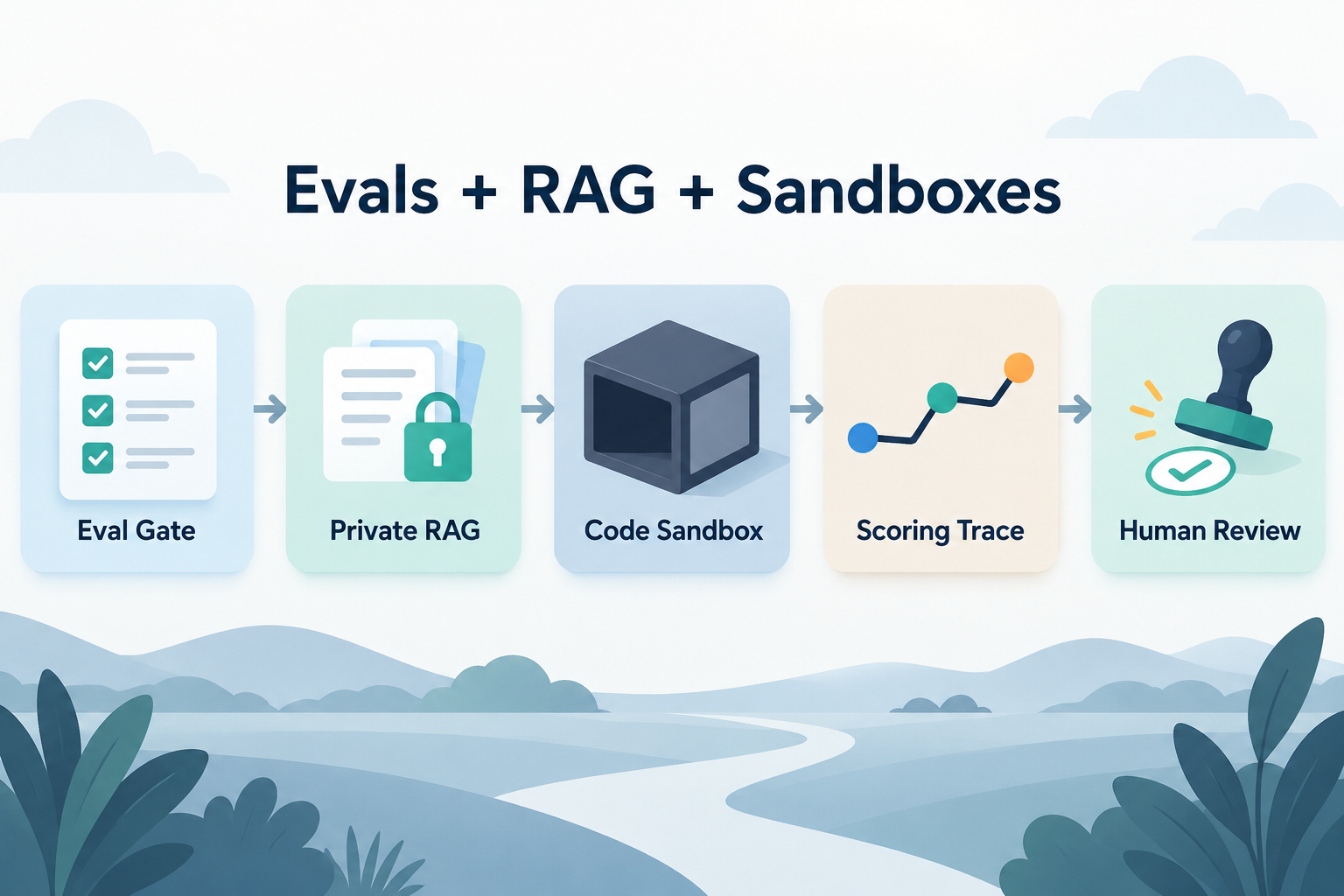
This week’s practical thread is evaluation before trust, private knowledge before broad retrieval, and sandboxed execution before letting generated code touch real systems. The three routes fit together because they answer a common operator question: what evidence should exist before an agent’s…
-
Mem0, Graphiti, Memvid, Basic Memory, or Memora: Choosing Agent Memory
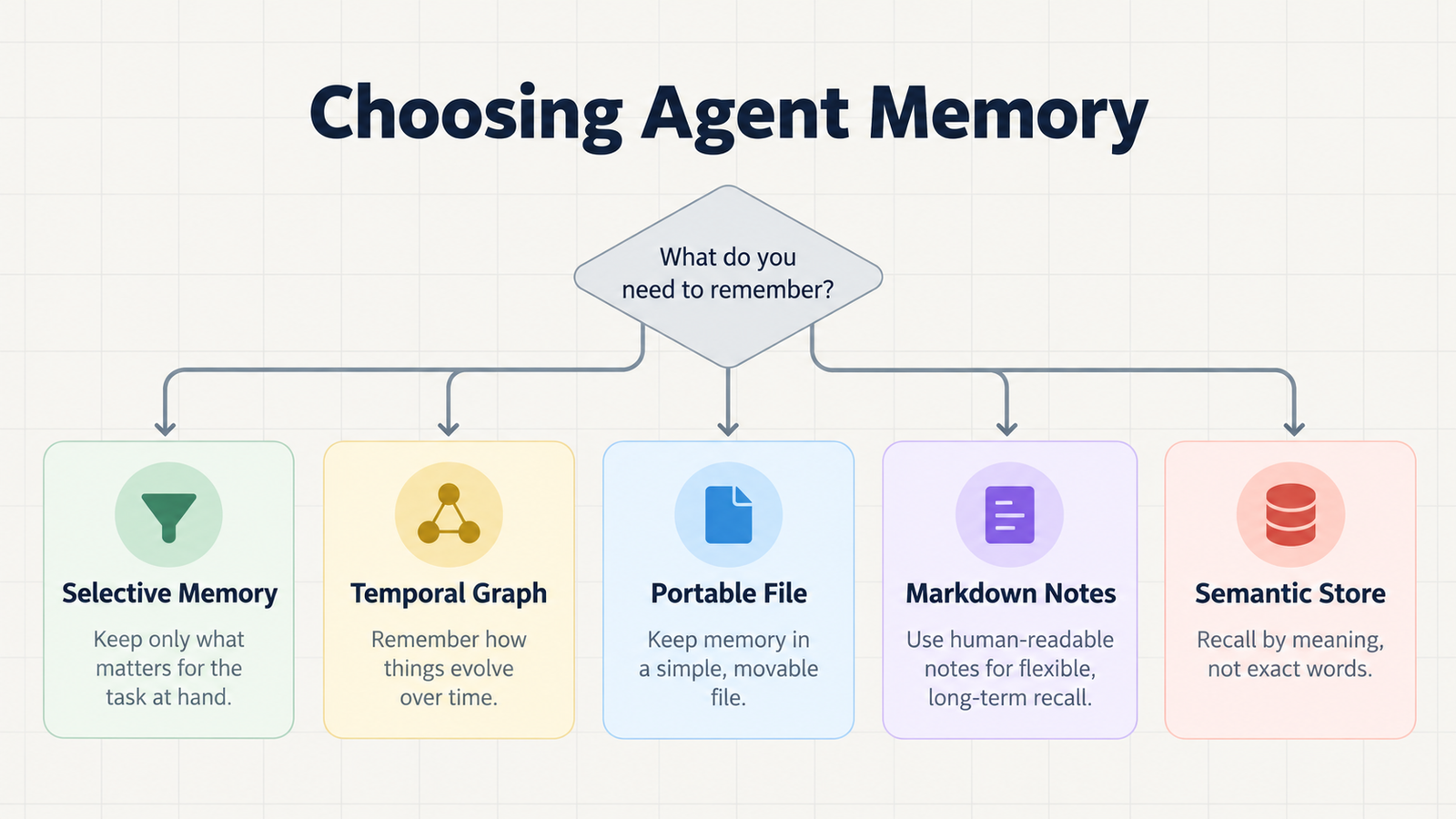
Agent memory is not one problem. It is a routing decision about what should survive beyond the current chat, how fast it changes, who needs to inspect it, and whether future answers need provenance. The wrong memory layer can make an agent…
-
A Repo-Local Continuity Packet for Multi-Agent Coding Work
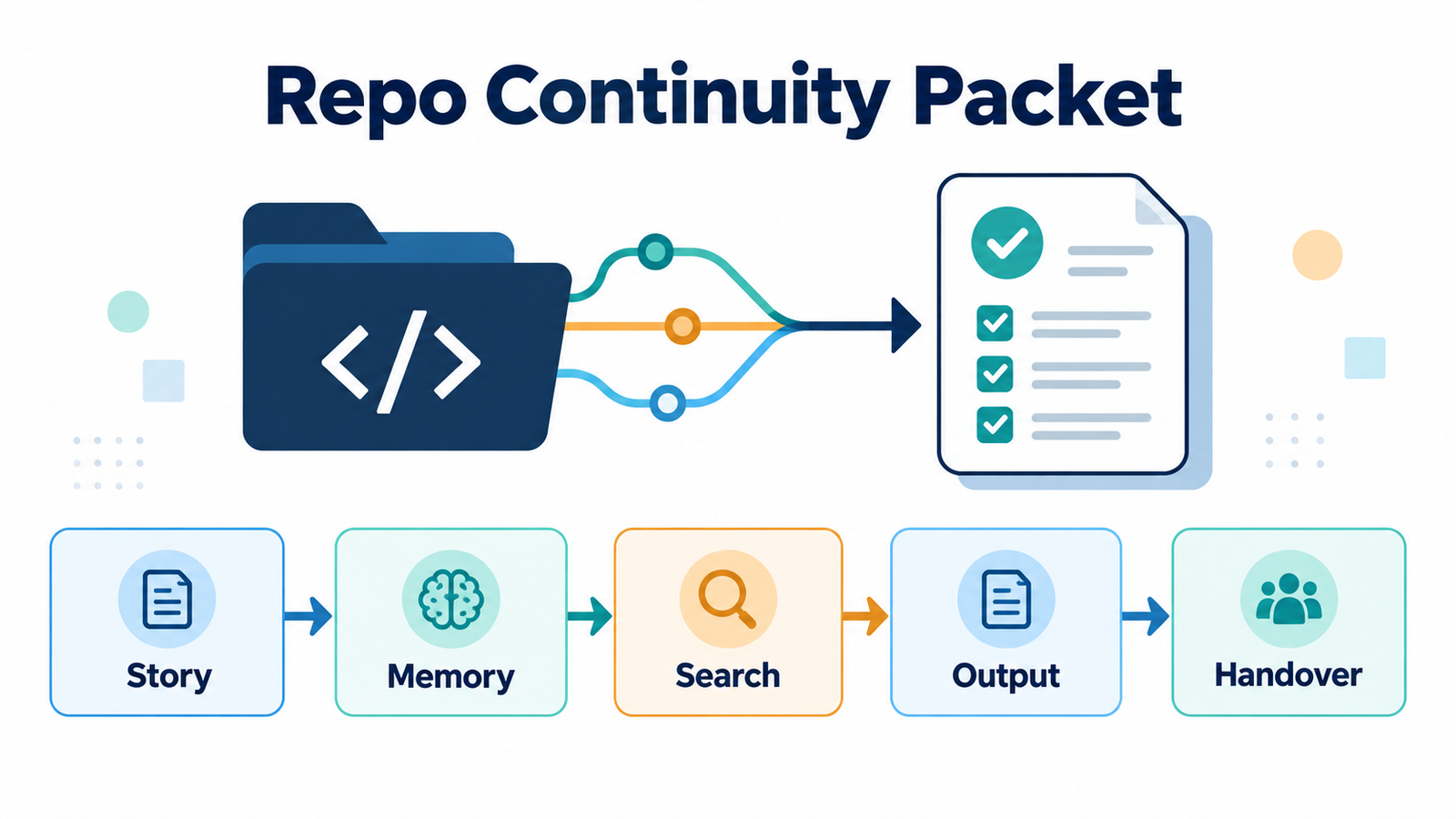
Multi-agent coding work fails quietly when the next agent inherits only a chat transcript and a vague instruction to continue. The missing material is usually not code. It is the story behind the code: what was tried, what was rejected, which files…
-
An MCP Security Review Playbook for GRC and Platform Teams
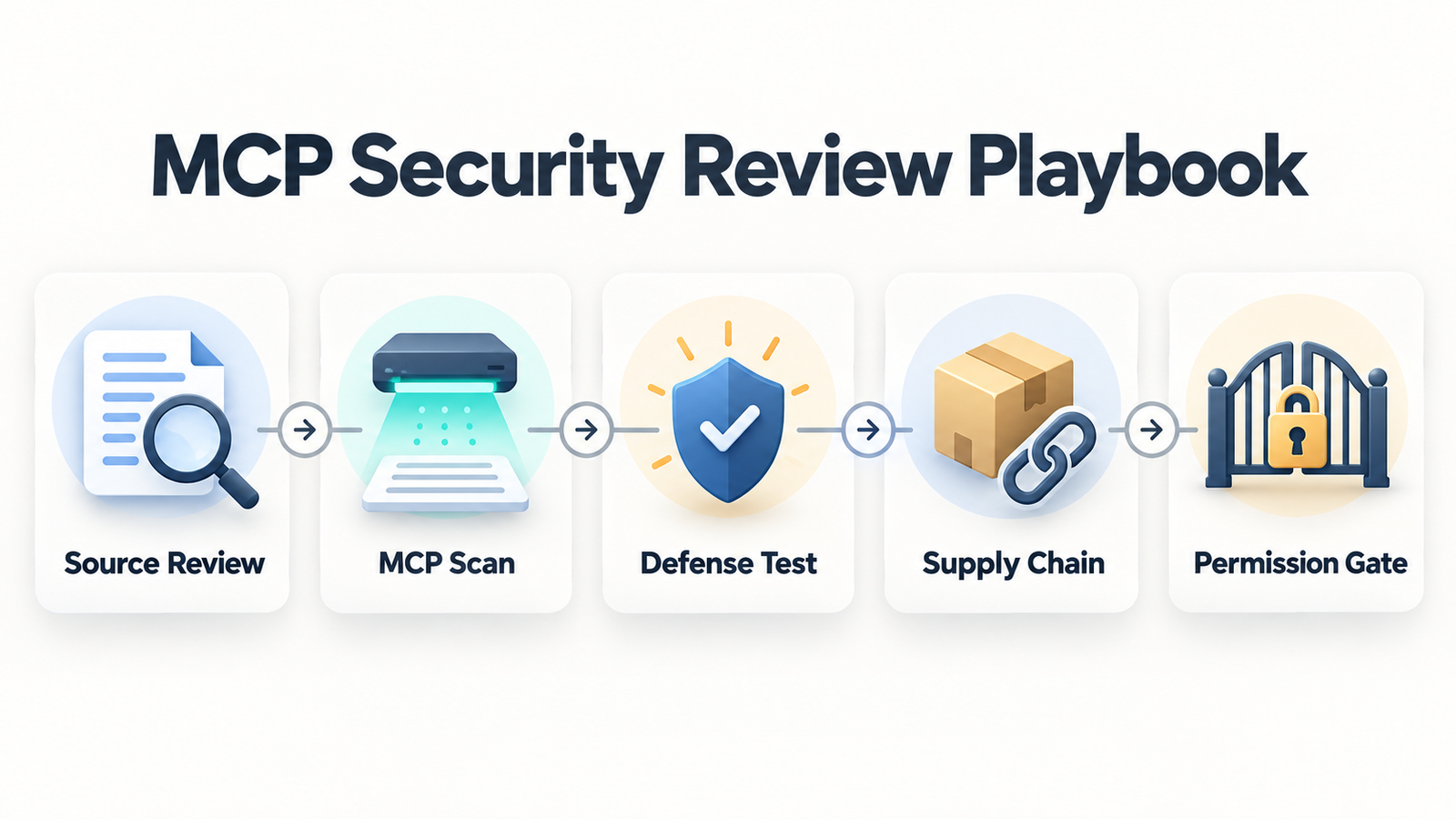
MCP servers make agent systems useful because they give models a controlled way to reach tools, data, and business workflows. That same control plane is also where security, GRC, and platform teams need sharper review habits. A server can look harmless in…