Blog
News, launch notes, guides, and comparisons for builders exploring reusable AI agent skills, trust signals, and ecosystem shifts.
Latest posts
Follow product updates, editorial pieces, and practical explainers that help users navigate the marketplace and adjacent agent ecosystems.
-
An MCP Security Review Playbook for GRC and Platform Teams
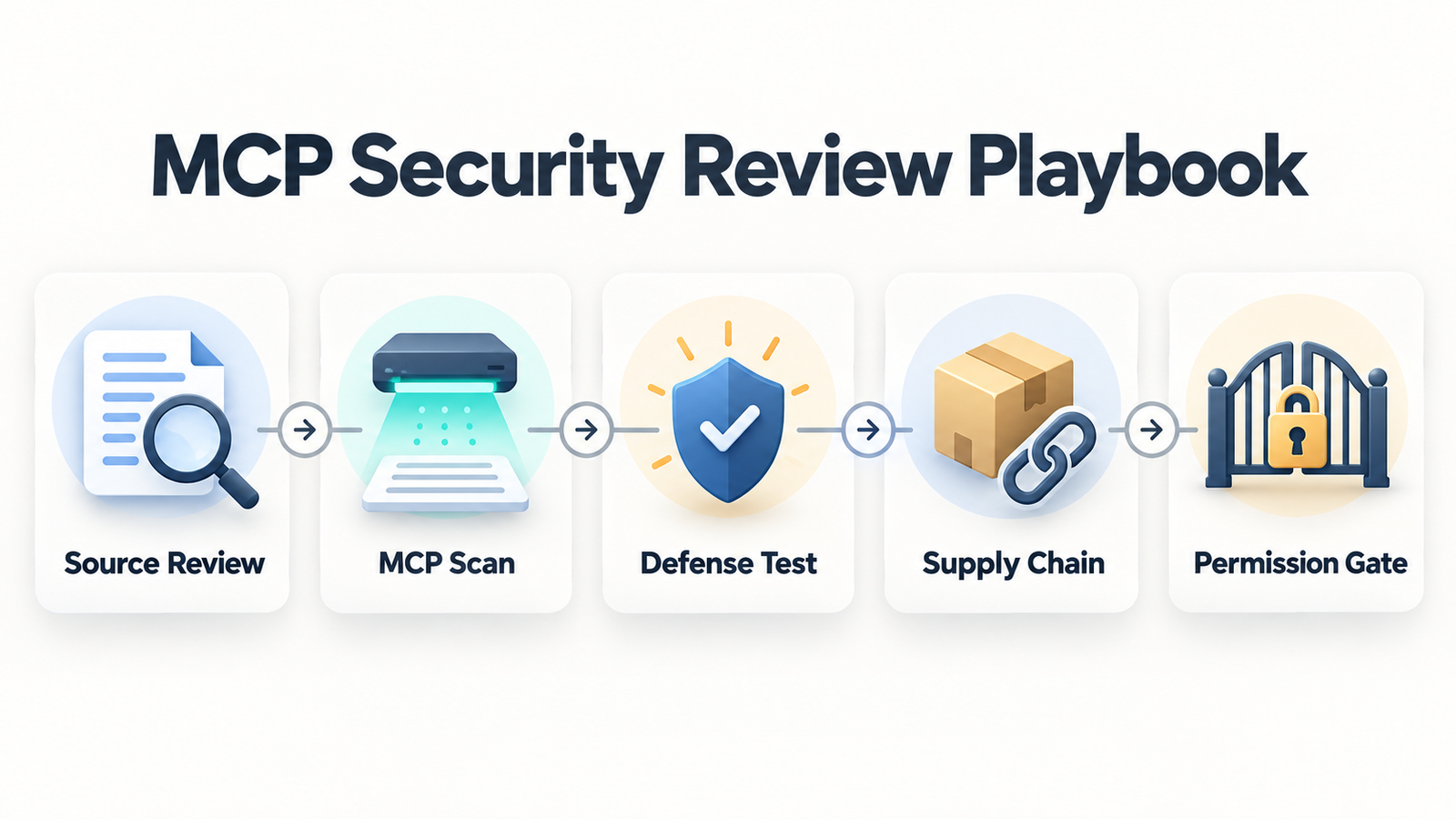
MCP servers make agent systems useful because they give models a controlled way to reach tools, data, and business workflows. That same control plane is also where security, GRC, and platform teams need sharper review habits. A server can look harmless in…
-
Skill Spotlight: Judge0 for Reviewable Code Execution Sandboxes
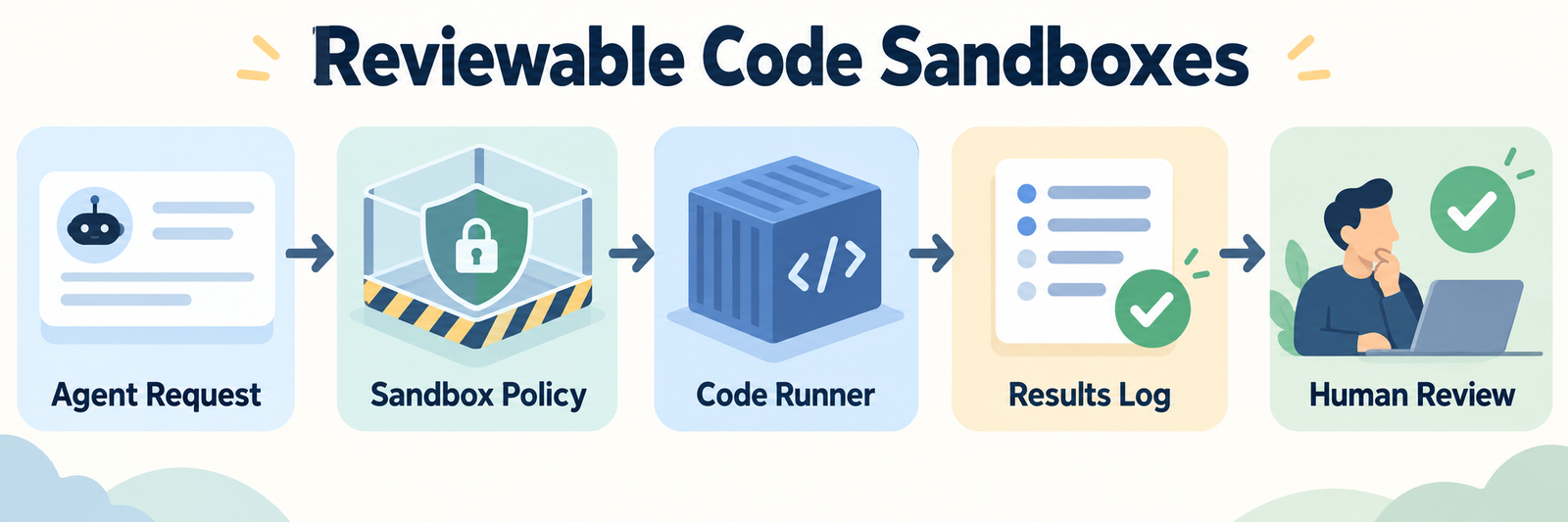
When an agent can write code, the next question is not just whether the code looks right. The question is where it runs, what it can touch, how the result is captured, and who can review the evidence before that output becomes…
-
A Private RAG Workspace Packet Before Agents Touch Internal Knowledge
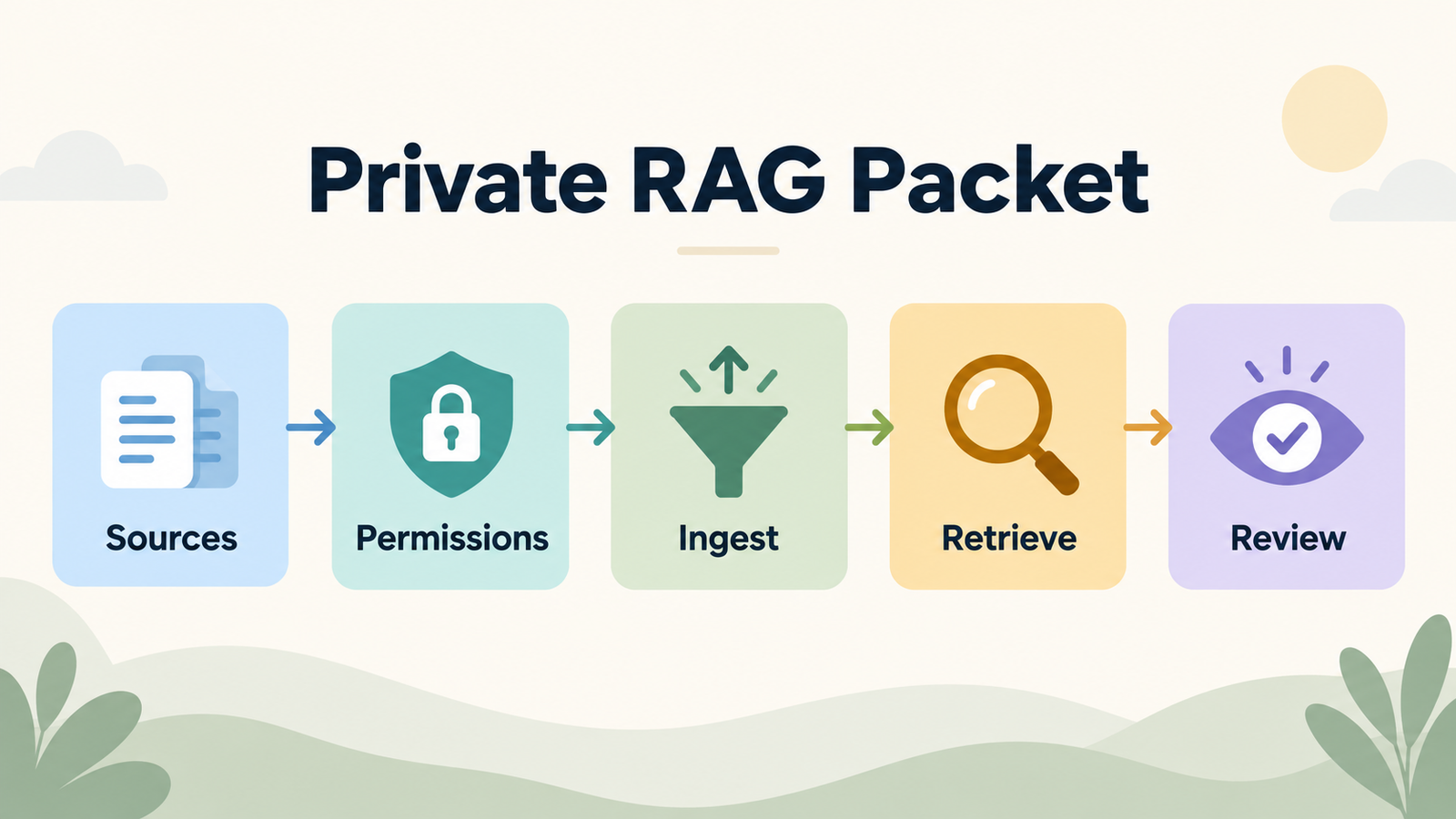
Private knowledge workspaces become risky when the team treats retrieval as a magic permission layer. A RAG system can find useful context, but it can also surface outdated documents, mix access scopes, drop citations, or give an agent more internal knowledge than…
-
Kiln, Inspect AI, DeepEval, EvalScope, or Promptfoo: Choosing an Agent Eval Stack
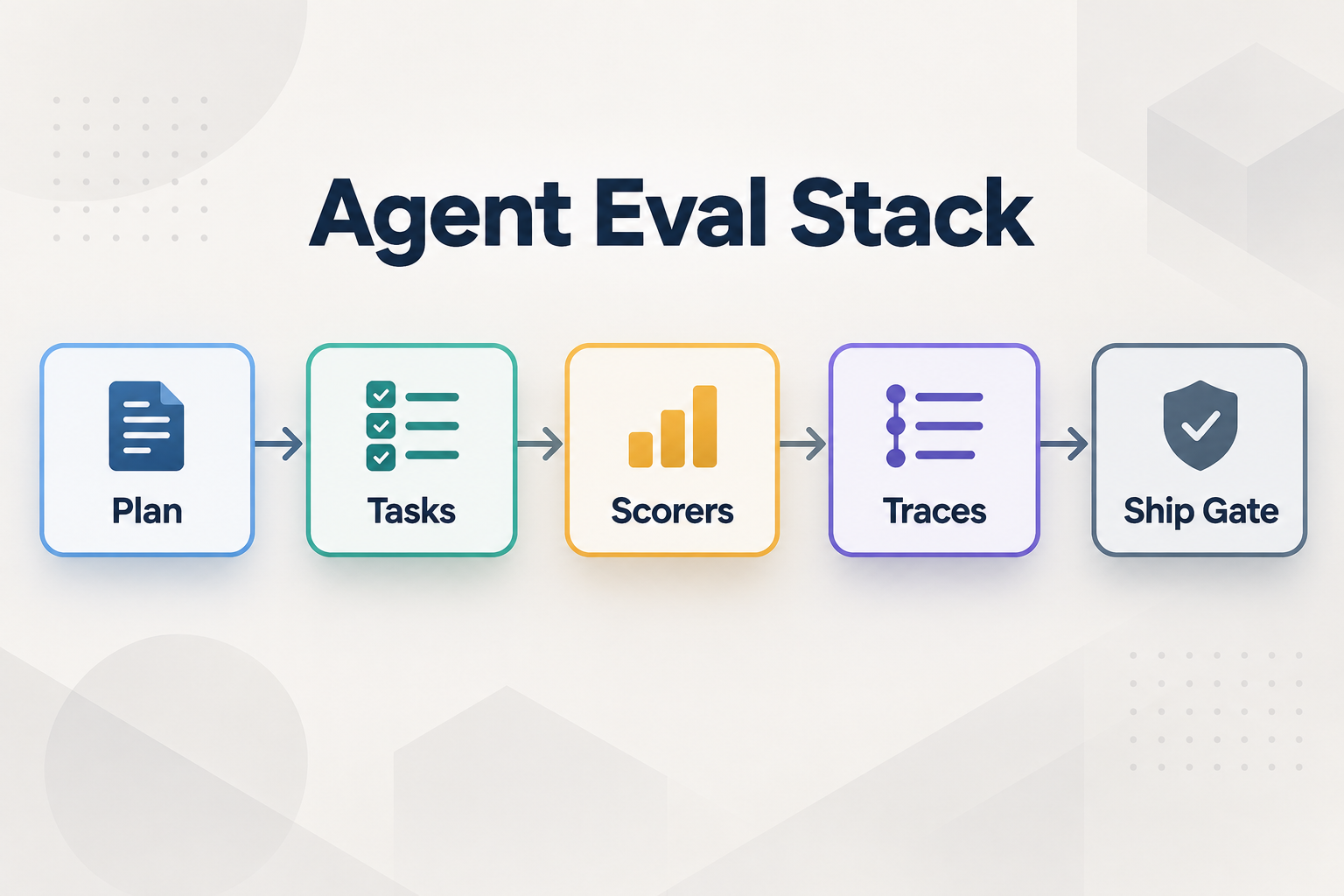
Agent evaluations get messy when the team starts with a tool name instead of a release question. Kiln, Inspect AI, DeepEval, EvalScope, and Promptfoo all sit near the eval workflow, but they do not answer the same operating need. The better first…
-
A Visual Product Content Packet for Design and Media Teams
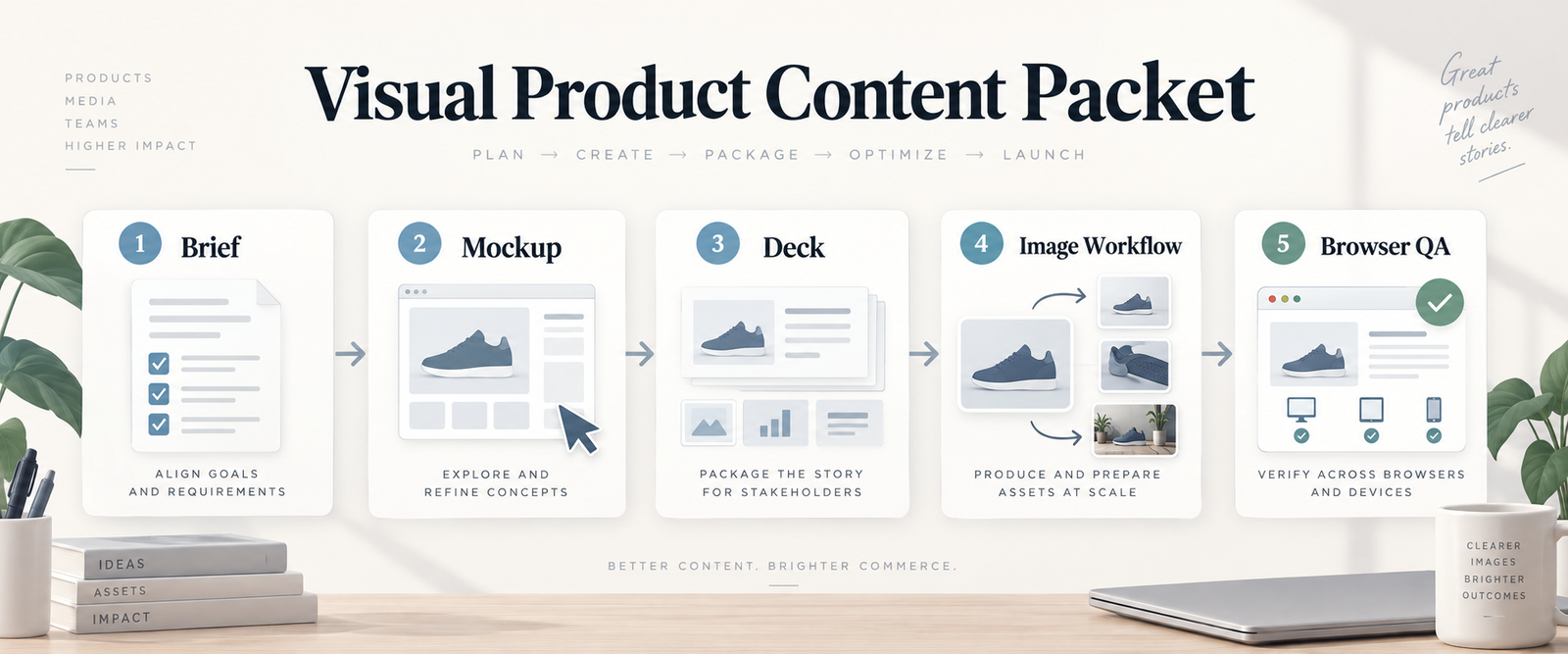
Visual product content work gets risky when the team treats each asset as a separate request. A mockup becomes a deck slide, a deck slide becomes an image prompt, an image prompt becomes a product page, and nobody can tell which source…
-
ASE Weekly Changelog: Terminal Agents, PR Diagrams, and Skill Maintenance
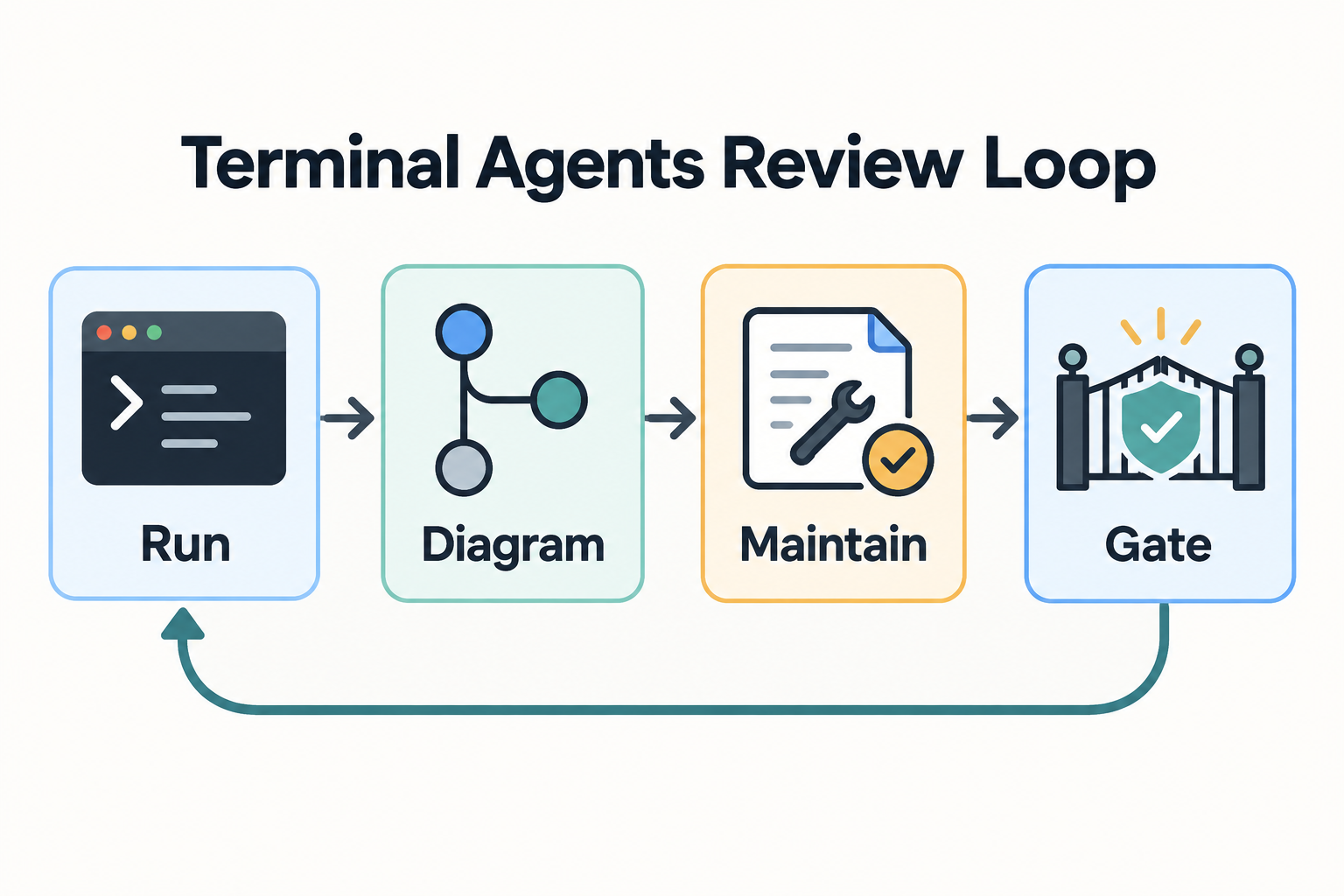
Terminal agents, PR diagramming, and skill maintenance all point at the same operator problem: teams want agents to move faster, but they still need changes to be visible, reviewable, and easy to unwind. This week’s ASE routes are useful because they keep…
-
ComfyUI Skills, MCP, or Direct Workflow Runners: Choosing an Image Automation Path
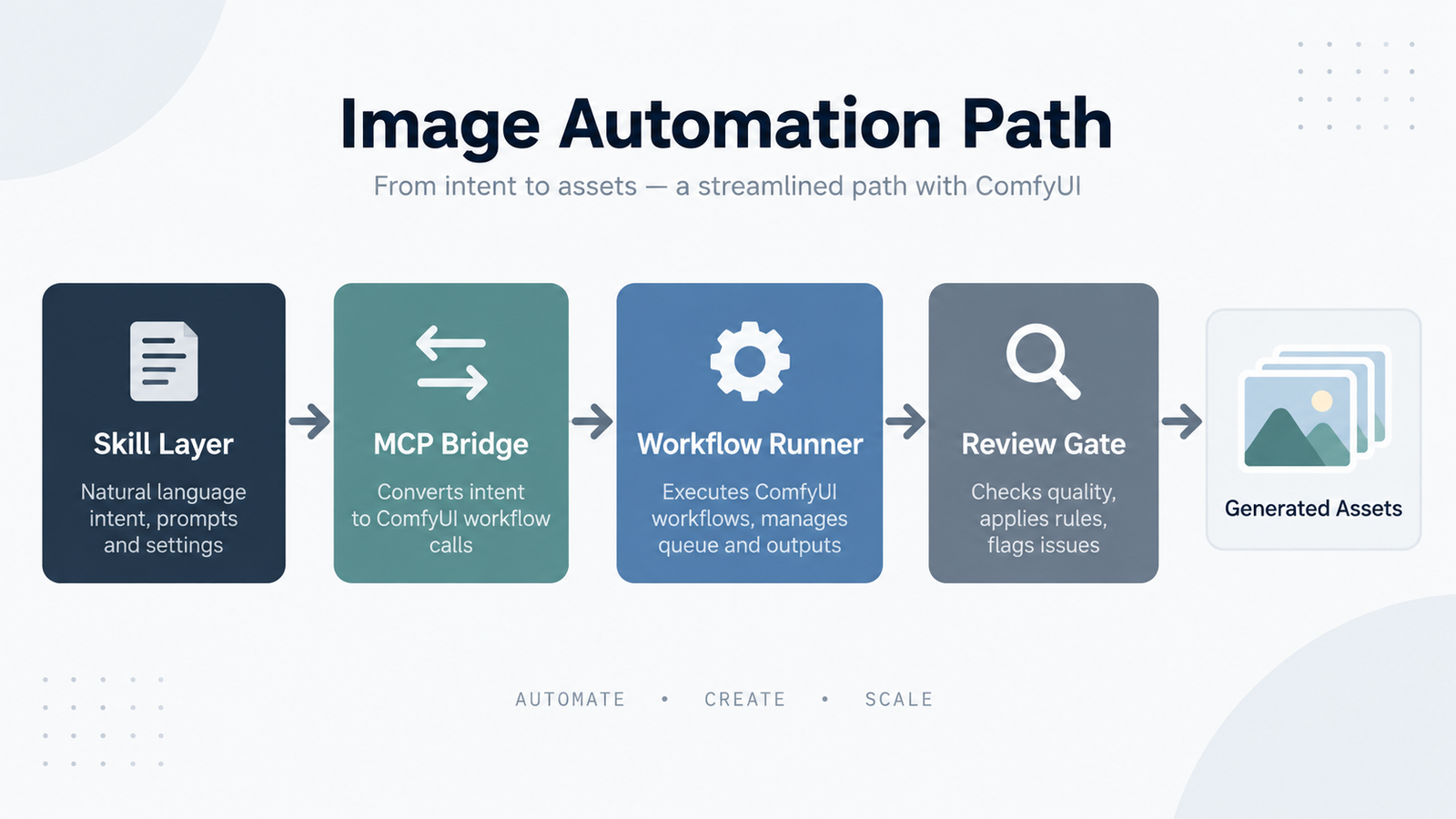
Image automation is usually framed as a model choice, but operators hit the real decision one layer later: how should an agent ask for the work, run the workflow, preserve settings, and hand back assets that someone can review? For ComfyUI-based teams…
-
An Agent Telemetry Packet Before Scaling Local Coding Sessions
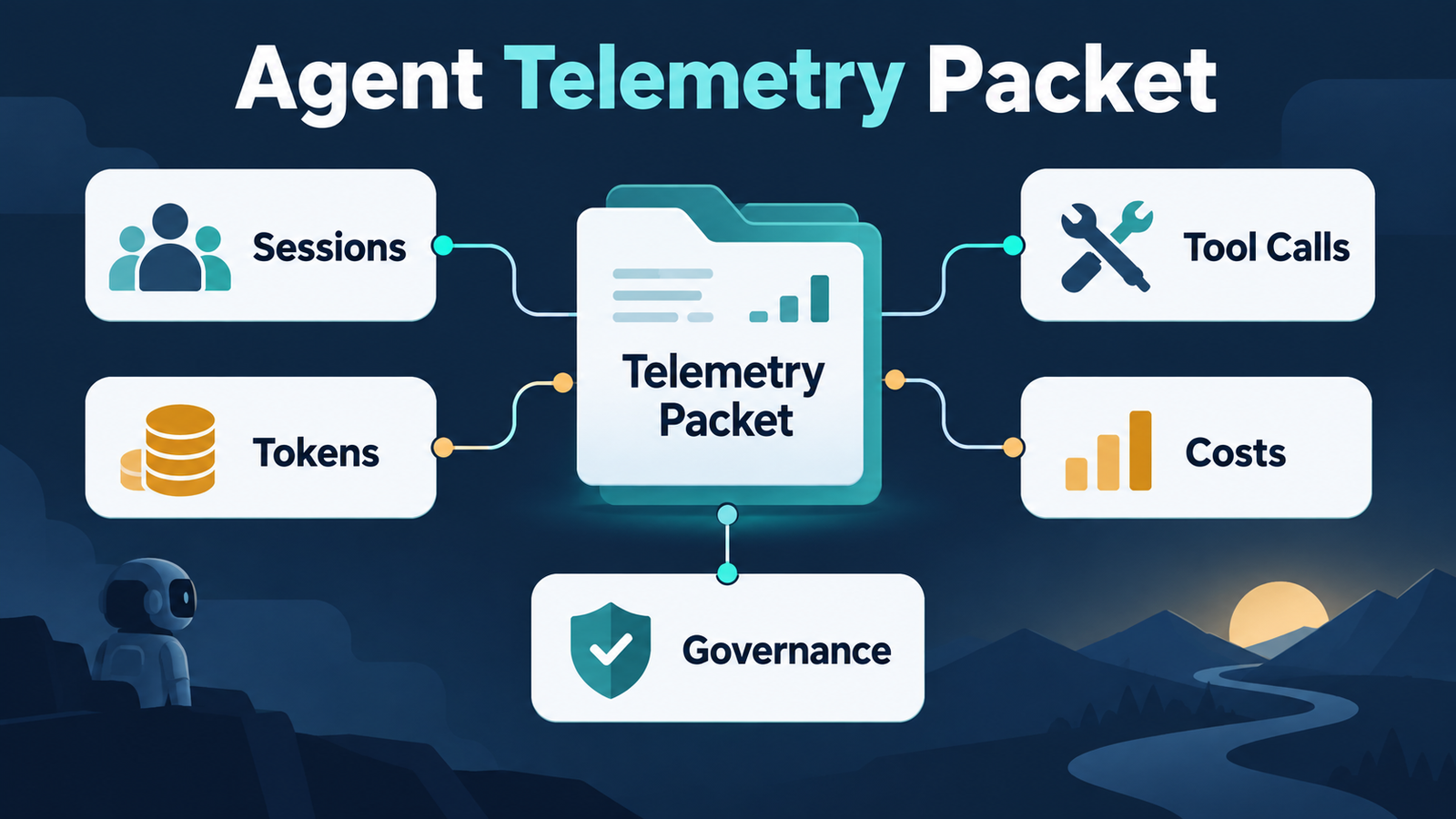
Scaling coding agents across a team should not start with a bigger budget or looser approval rule. It should start with a telemetry packet: the small bundle of evidence that shows what local agents are doing, what they cost, where they fail…
-
Skill Spotlight: Autoharness for Keeping Claude Code Skills Current
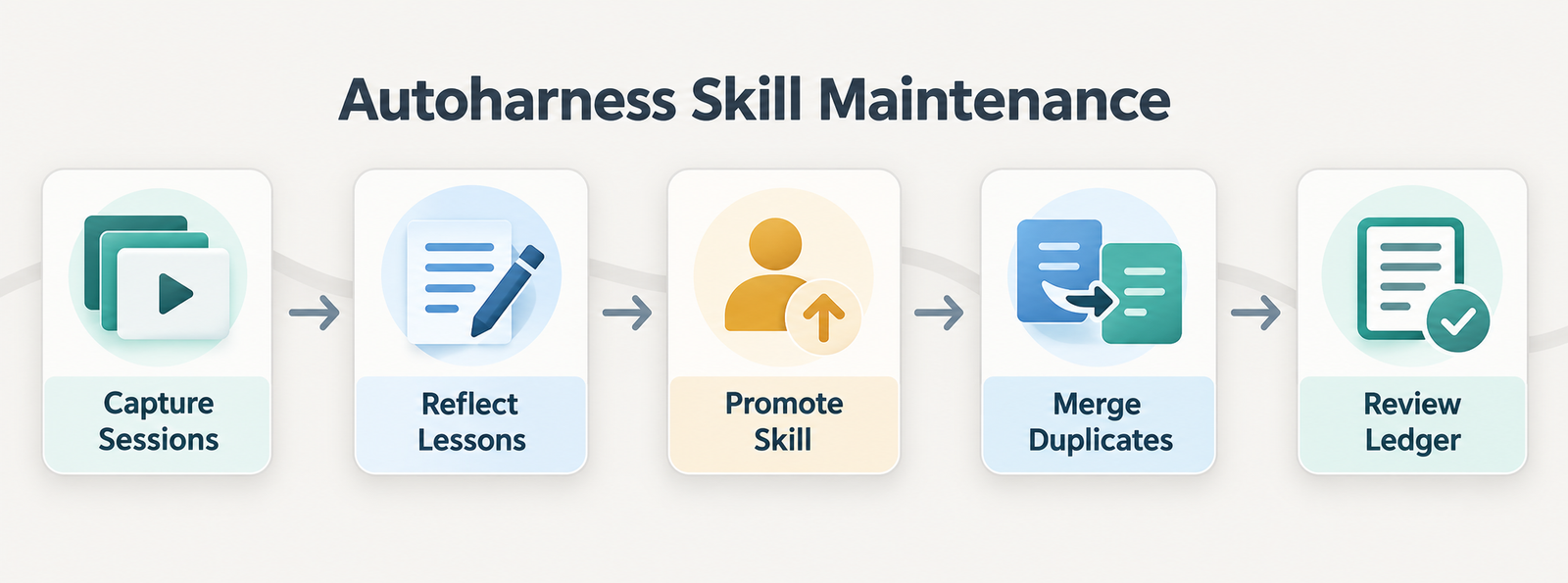
Claude Code skills are most valuable when they stay close to real work. The maintenance problem starts after a team has proved the idea: engineers learn better debugging paths, refine release checks, and discover which instructions make agents safer, but the skill…
-
An Active Job Operations Playbook for Rails Teams
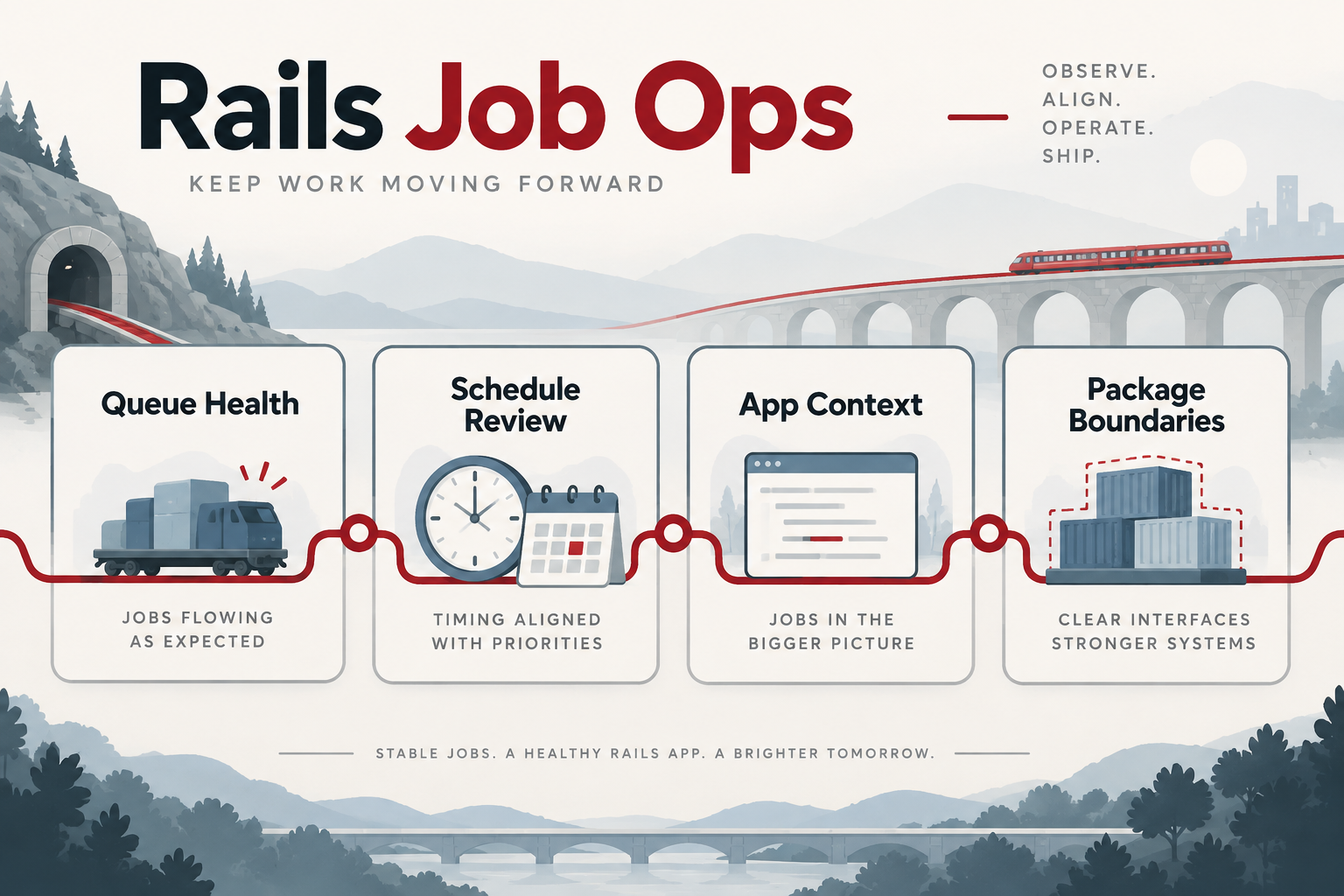
Rails teams often notice job problems only after customers feel them: a retry storm, a stuck mailer, a scheduled task that quietly stopped, or a background workflow that no one wants to discard without context. Active Job gives Rails a common interface…