Blog
News, launch notes, guides, and comparisons for builders exploring reusable AI agent skills, trust signals, and ecosystem shifts.
Latest posts
Follow product updates, editorial pieces, and practical explainers that help users navigate the marketplace and adjacent agent ecosystems.
-
Lunora, pgEdge Postgres MCP, or HolmesGPT: Choosing an Incident Investigation Entry Point
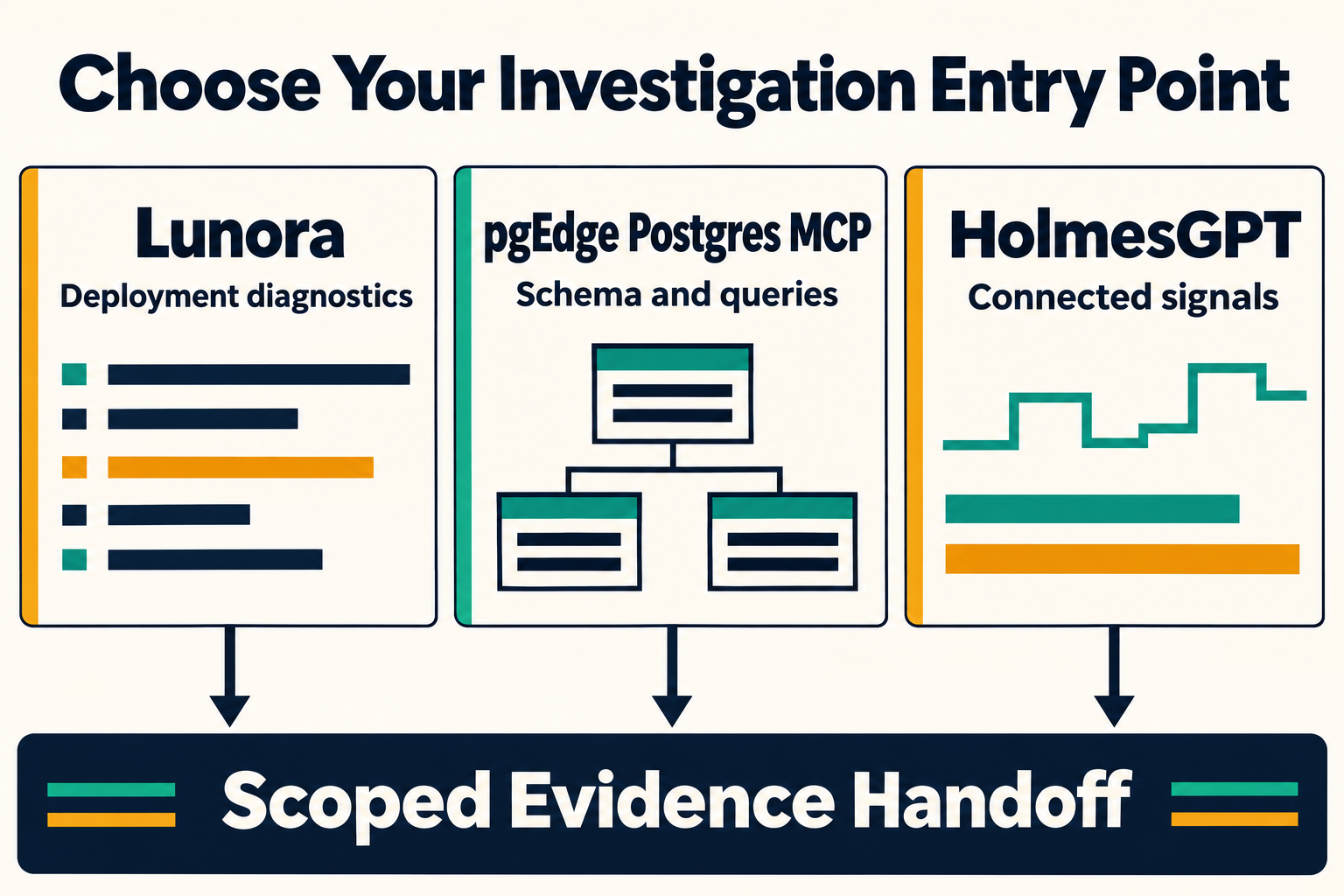
In Short Choose your incident investigation entry point from the system you operate and the evidence you need. Lunora diagnostics fit an existing Lunora deployment. pgEdge Postgres MCP fits PostgreSQL schema and query inspection. HolmesGPT fits investigations across explicitly connected infrastructure signals…
-
PostHog, Flagsmith, or GO Feature Flag: Choosing a Rollout Control Surface
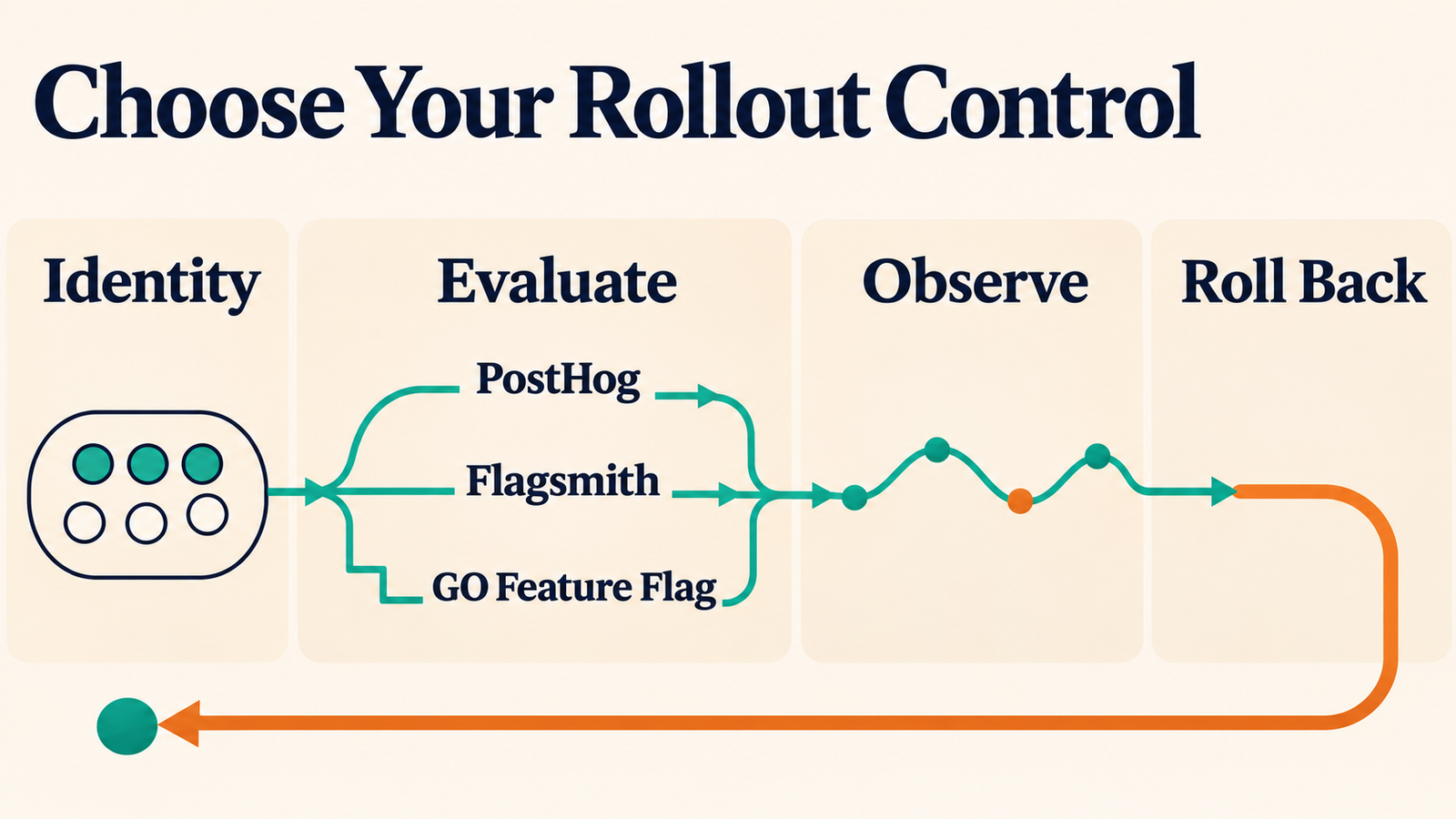
In Short Choosing between PostHog, Flagsmith, or GO Feature Flag starts with the launch you must control. Shortlist PostHog when rollout decisions need product analytics context, Flagsmith when the central task is feature flags and remote configuration, and GO Feature Flag when…
-
Apify, Crawlee, Crawl4AI, Browserbase, or AgentQL: Choosing a Web Data Collection Stack
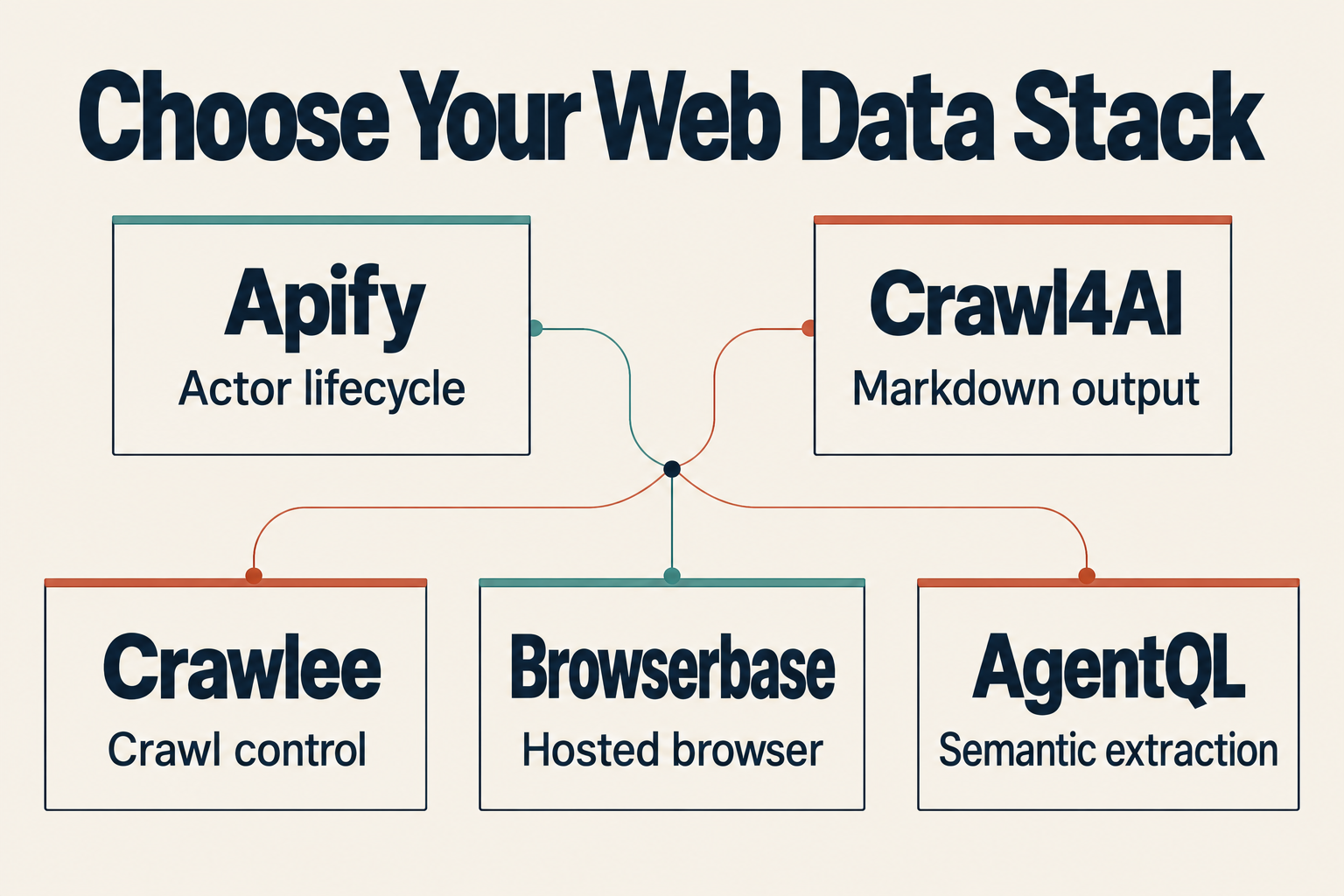
In Short Choose a web data collection stack by the layer you need to own. Apify fits Actor execution and platform integration; Crawlee fits programmable crawling; Crawl4AI fits content preparation for language models; Browserbase fits hosted browser execution; AgentQL fits semantic queries…
-
Pipelock, AgentGuard, Agent Guardrails, or Invariant: Choosing an Agent Safety Gate
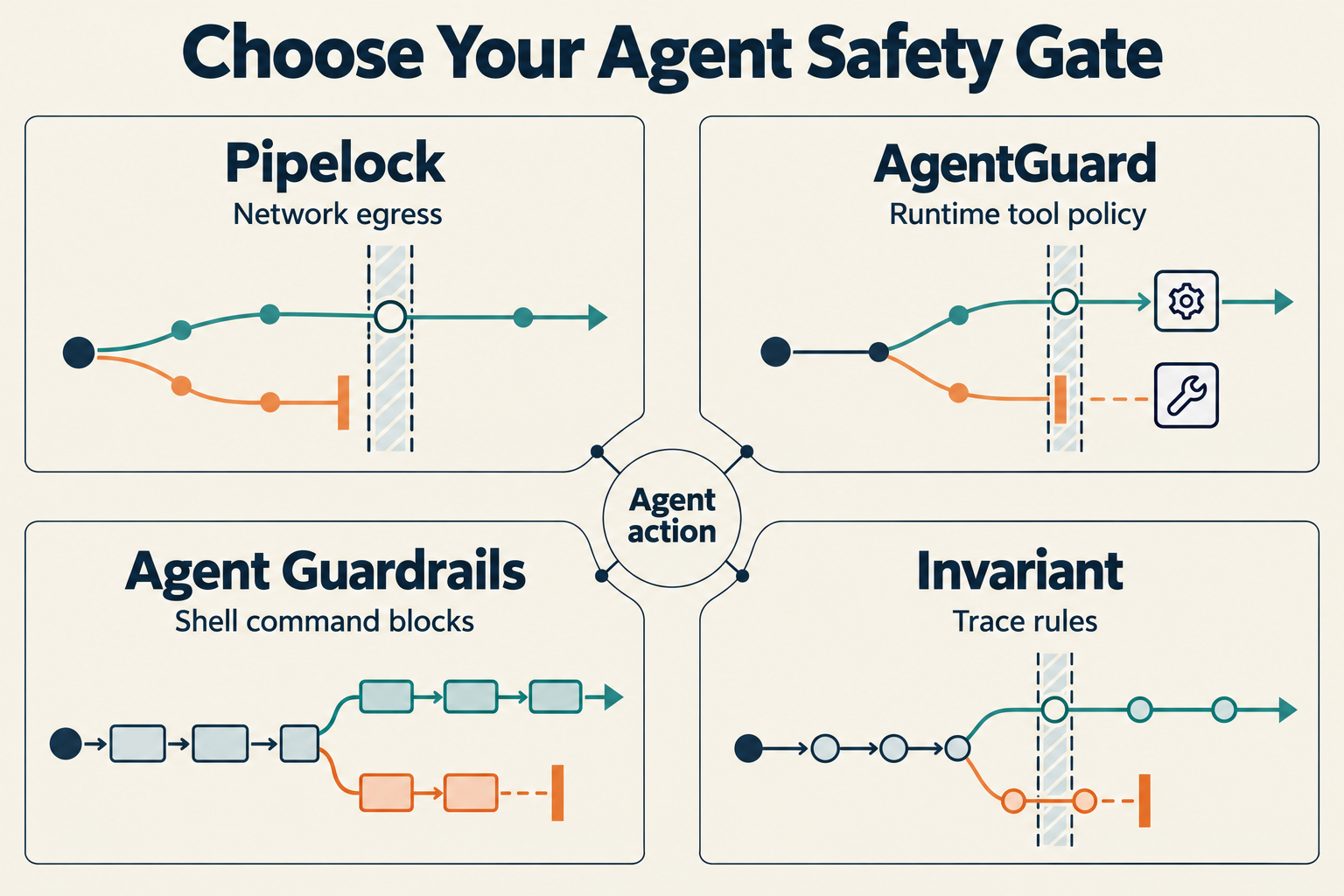
In Short Choose an agent safety gate by the boundary it can actually enforce. Start with Pipelock for mediated network egress, AgentGuard for runtime action policy and skill scanning, Agent Guardrails for destructive shell-command patterns, or Invariant for rules over agent traces…
-
Judge0, SandboxFusion, OpenSandbox, or SandBase: Choosing a Code Sandbox
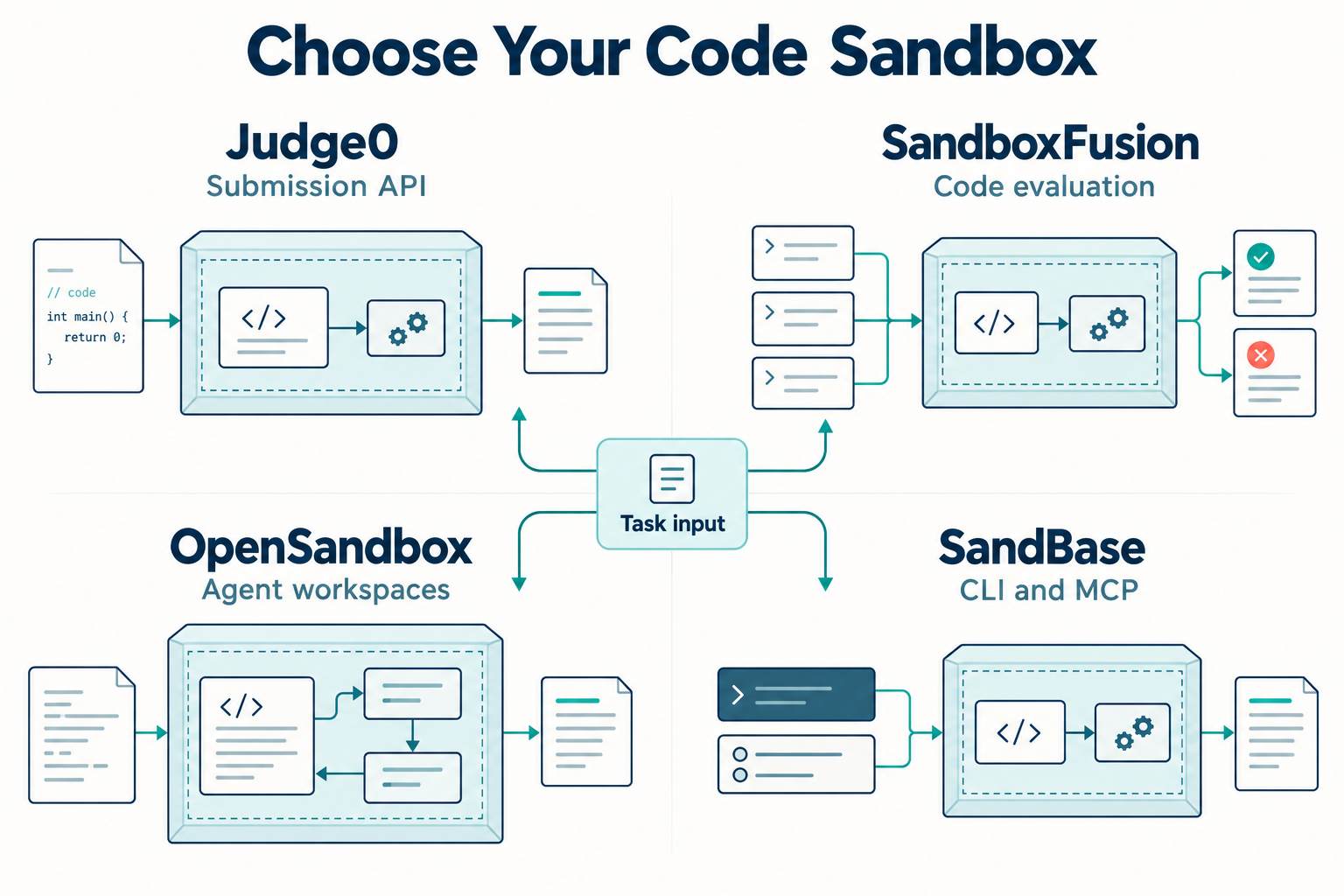
In Short Choose a code sandbox by the execution contract your application needs. Judge0 fits code submissions through an HTTP API; SandboxFusion fits running and judging model-generated programs; OpenSandbox fits agent workspaces with commands, files, and lifecycle management. SandBase needs a separate…
-
Mem0, Graphiti, Memvid, Basic Memory, or Memora: Choosing Agent Memory
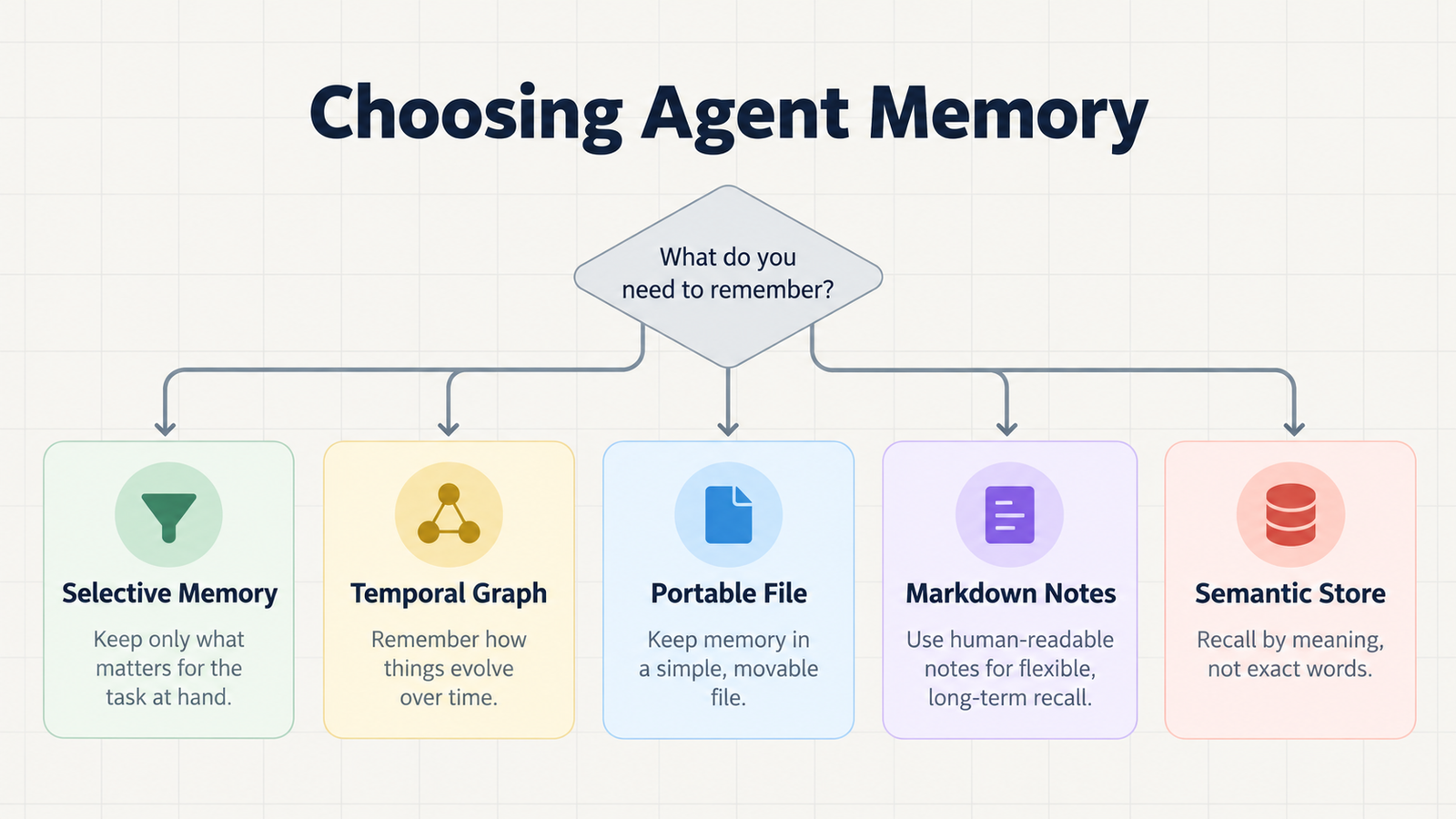
Agent memory is not one problem. It is a routing decision about what should survive beyond the current chat, how fast it changes, who needs to inspect it, and whether future answers need provenance. The wrong memory layer can make an agent…
-
Kiln, Inspect AI, DeepEval, EvalScope, or Promptfoo: Choosing an Agent Eval Stack
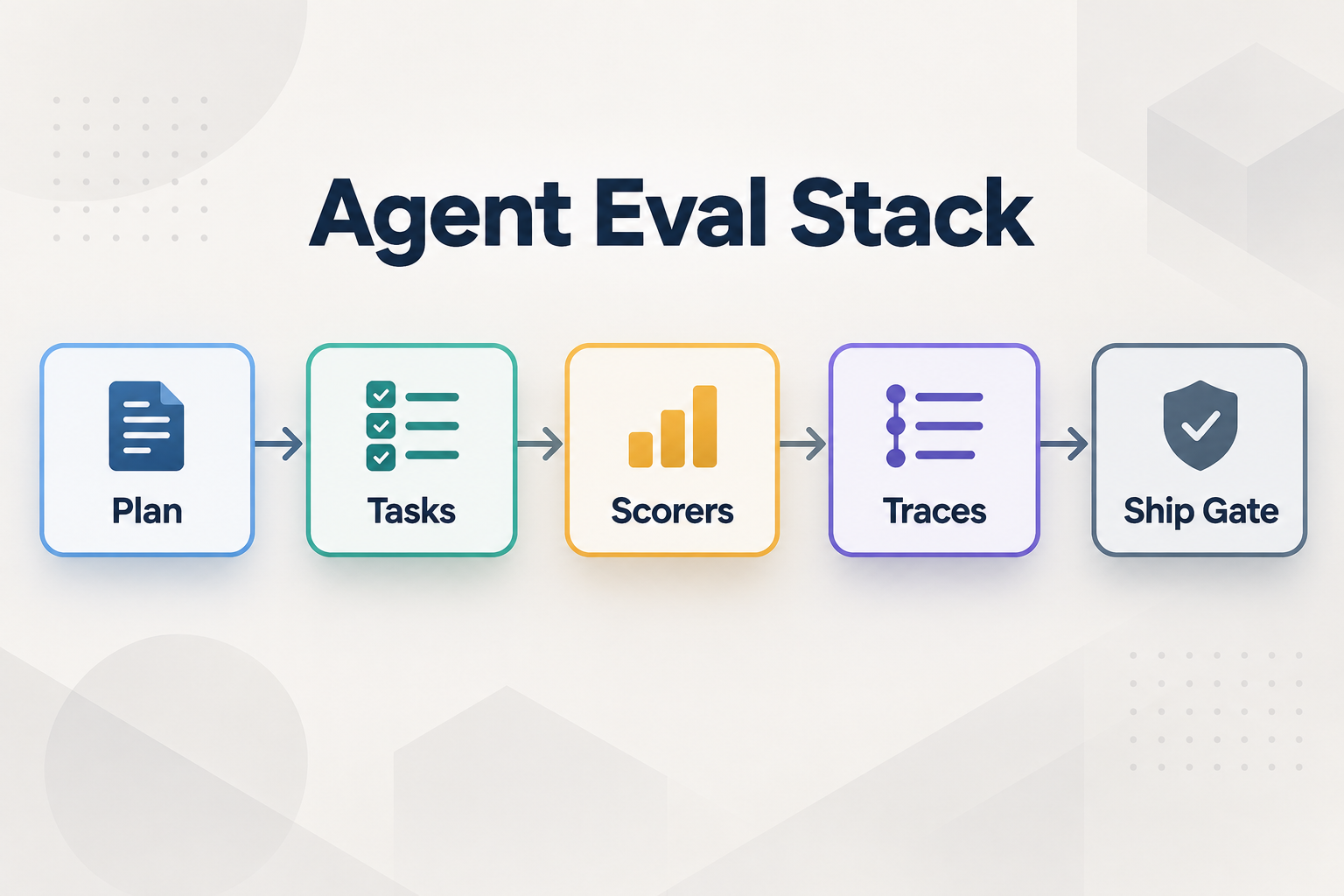
Agent evaluations get messy when the team starts with a tool name instead of a release question. Kiln, Inspect AI, DeepEval, EvalScope, and Promptfoo all sit near the eval workflow, but they do not answer the same operating need. The better first…
-
ComfyUI Skills, MCP, or Direct Workflow Runners: Choosing an Image Automation Path
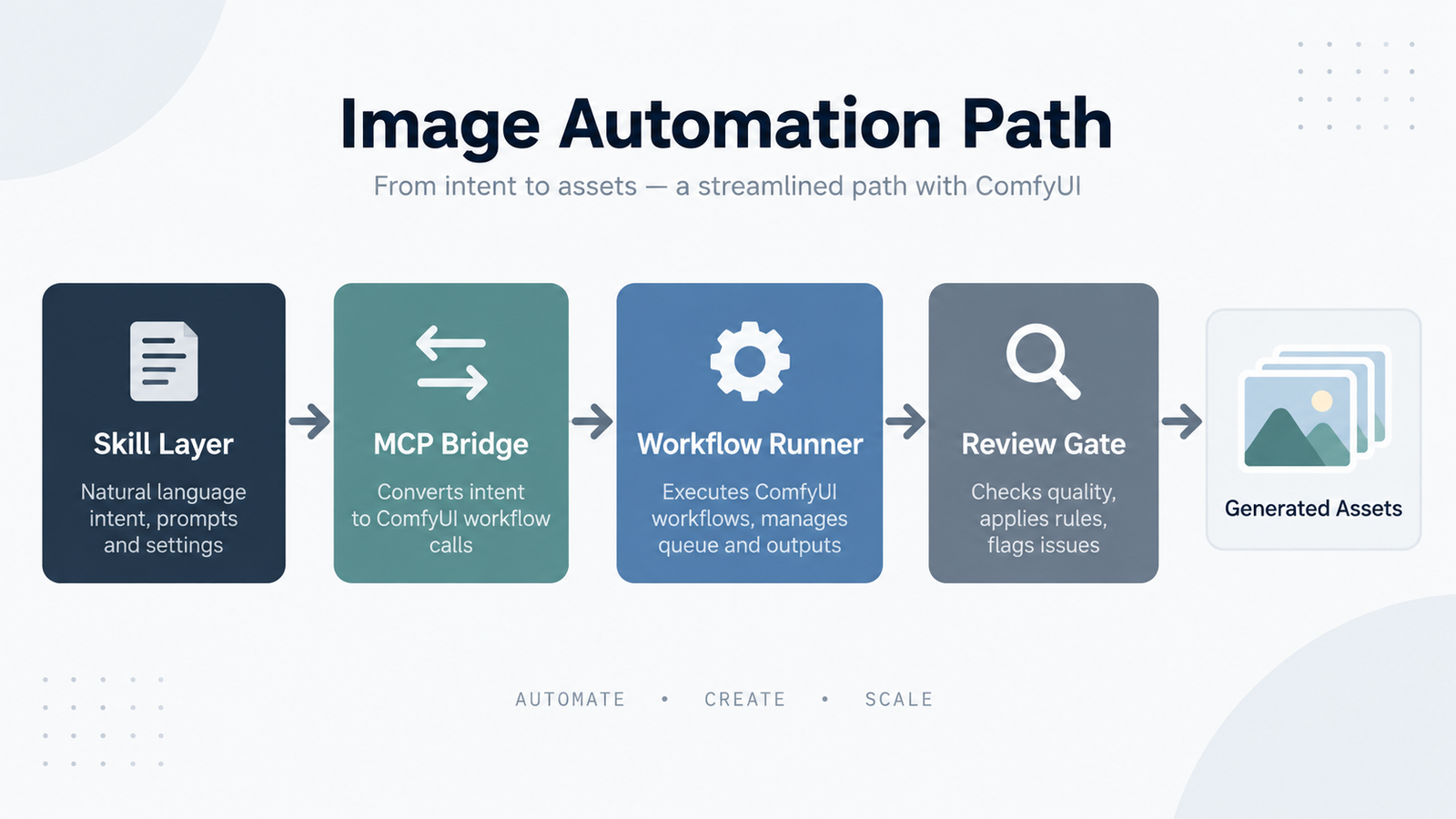
Image automation is usually framed as a model choice, but operators hit the real decision one layer later: how should an agent ask for the work, run the workflow, preserve settings, and hand back assets that someone can review? For ComfyUI-based teams…
-
CodeWhale, FuXi, hax, Termio, or Autoprompt: Picking a Terminal Agent Stack
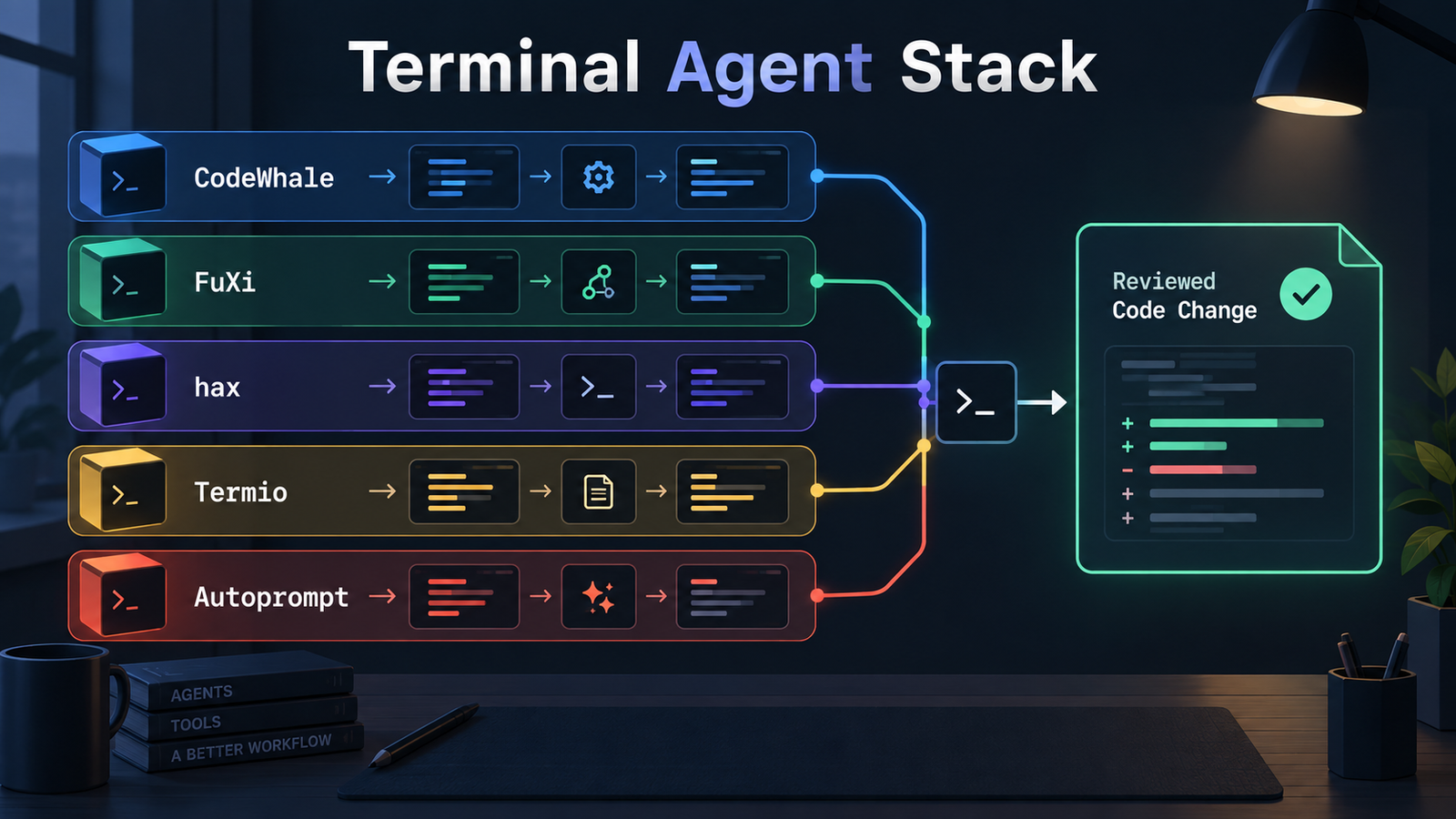
Terminal coding agents are easiest to compare when you stop asking which one is best and start asking what role the tool should play in the operator loop. Some teams want a single local agent that can edit files, run tests, and…
-
NotebookLM MCP, CLI, or Python API: Choosing a Research Automation Path
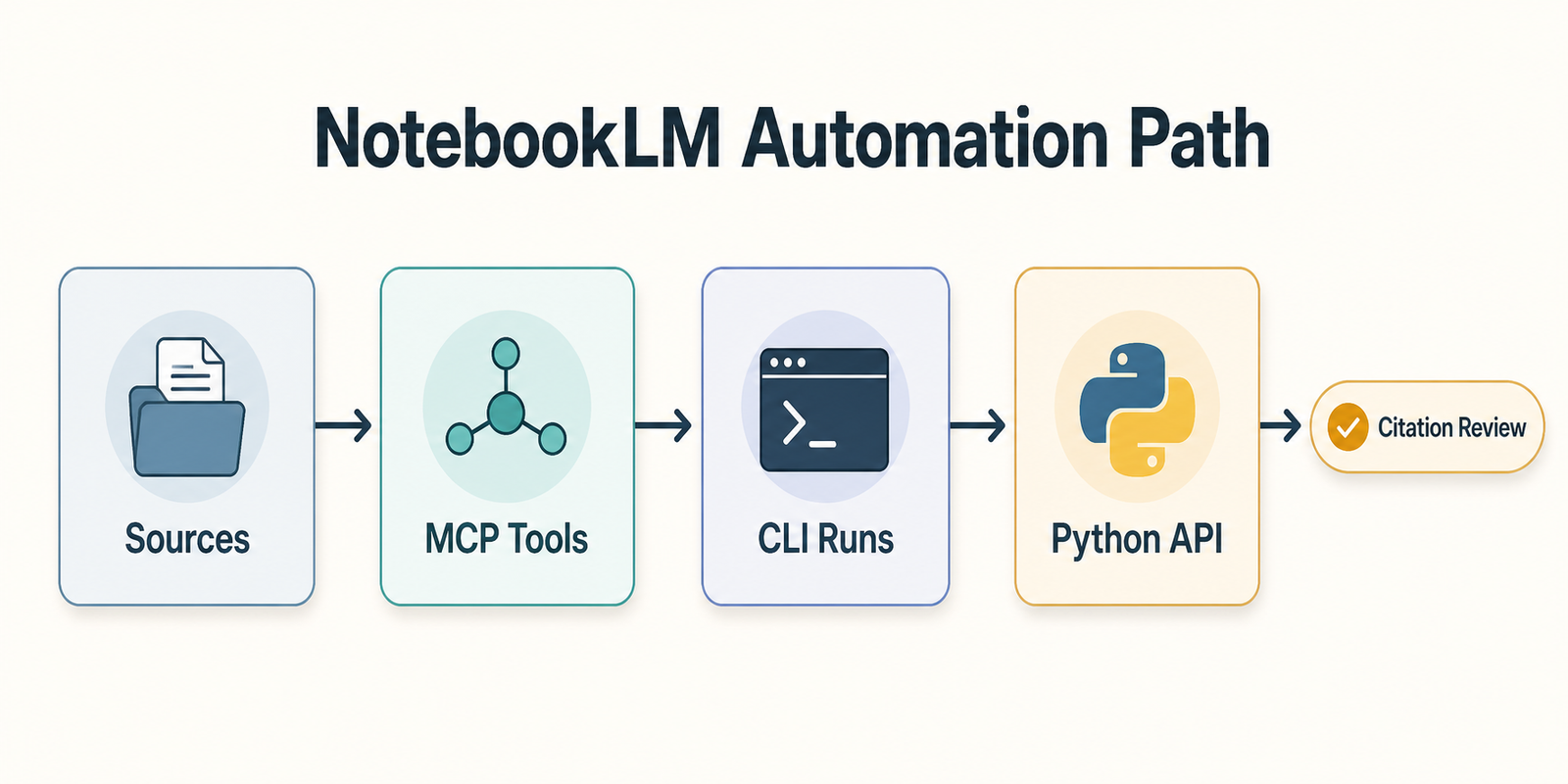
NotebookLM is useful when a research workflow needs source-grounded answers, summaries, study artifacts, and citations that a reviewer can trace. The automation question is not whether to use NotebookLM at all. It is where to put the automation boundary: an MCP server…