Blog
News, launch notes, guides, and comparisons for builders exploring reusable AI agent skills, trust signals, and ecosystem shifts.
Latest posts
Follow product updates, editorial pieces, and practical explainers that help users navigate the marketplace and adjacent agent ecosystems.
-
Apify, Crawlee, Crawl4AI, Browserbase, or AgentQL: Choosing a Web Data Collection Stack
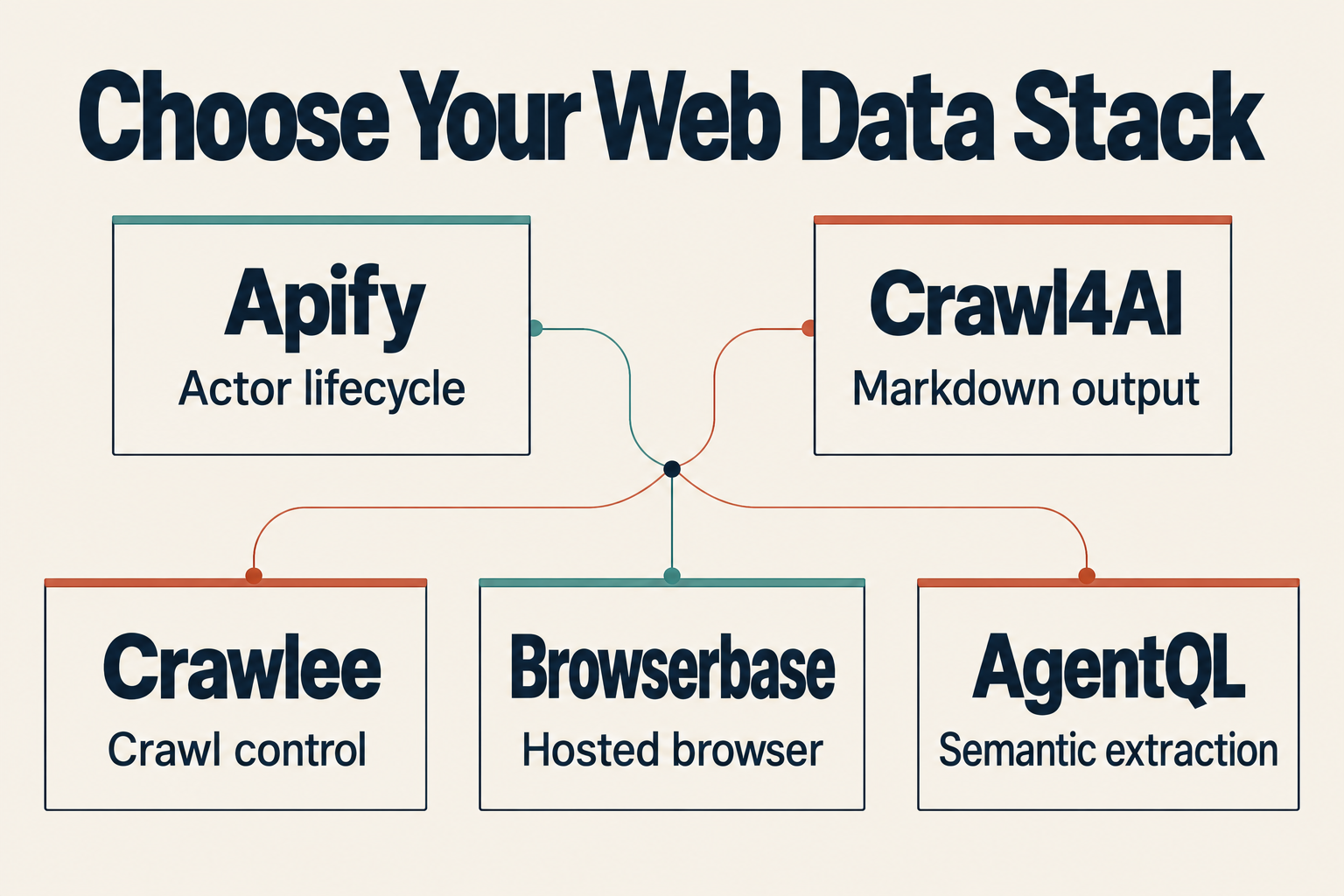
In Short Choose a web data collection stack by the layer you need to own. Apify fits Actor execution and platform integration; Crawlee fits programmable crawling; Crawl4AI fits content preparation for language models; Browserbase fits hosted browser execution; AgentQL fits semantic queries…
-
A Dependency and CI Permissions Packet Before Agent-Written PRs Merge
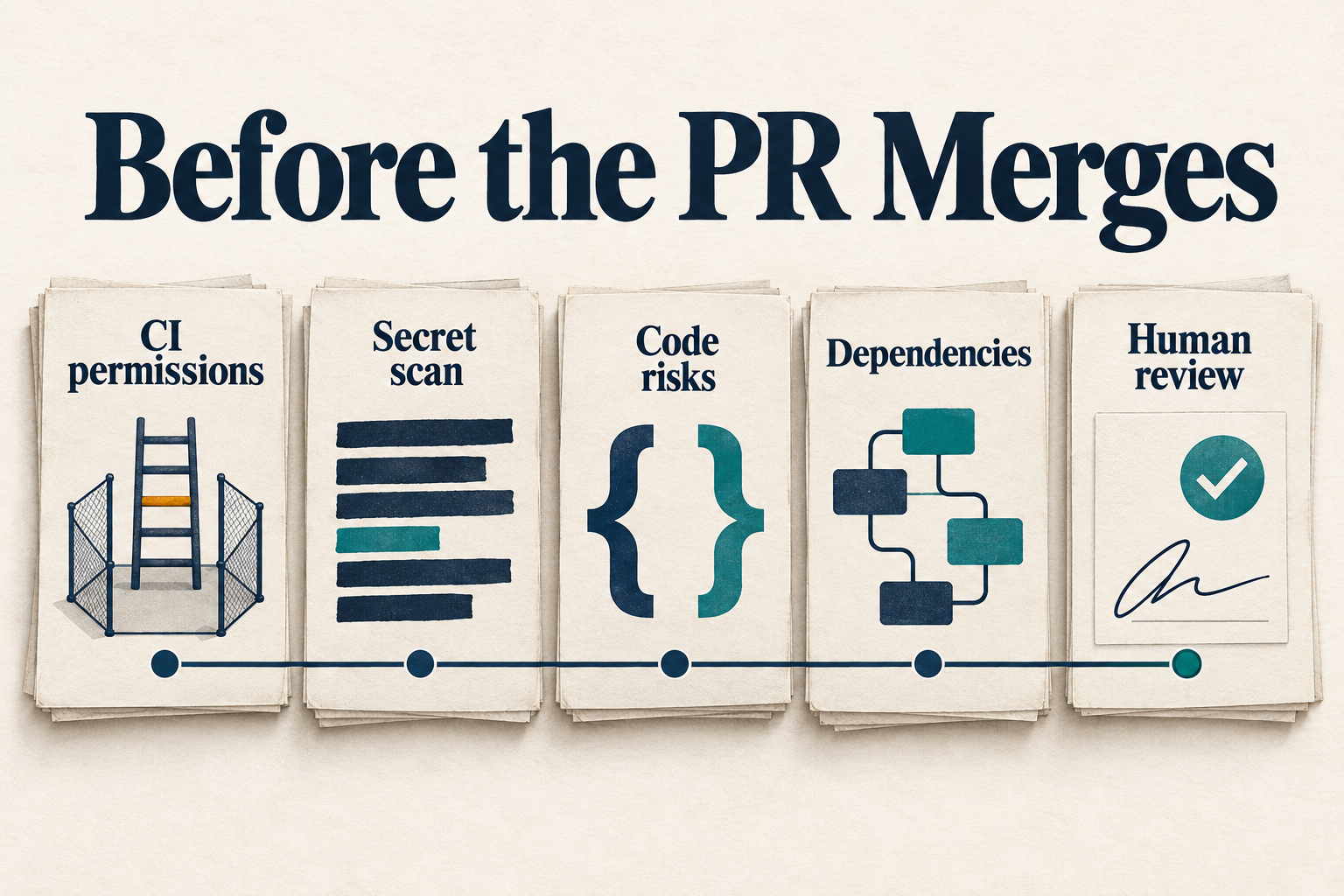
In Short A dependency and CI permissions packet gives reviewers one place to examine what an agent-written pull request changes, which privileges it needs, and which risks remain unresolved. Combine workflow inspection, secrets detection, SAST, and dependency declaration checks against the same…
-
A Support-to-Engineering Triage Playbook for Customer Success Teams
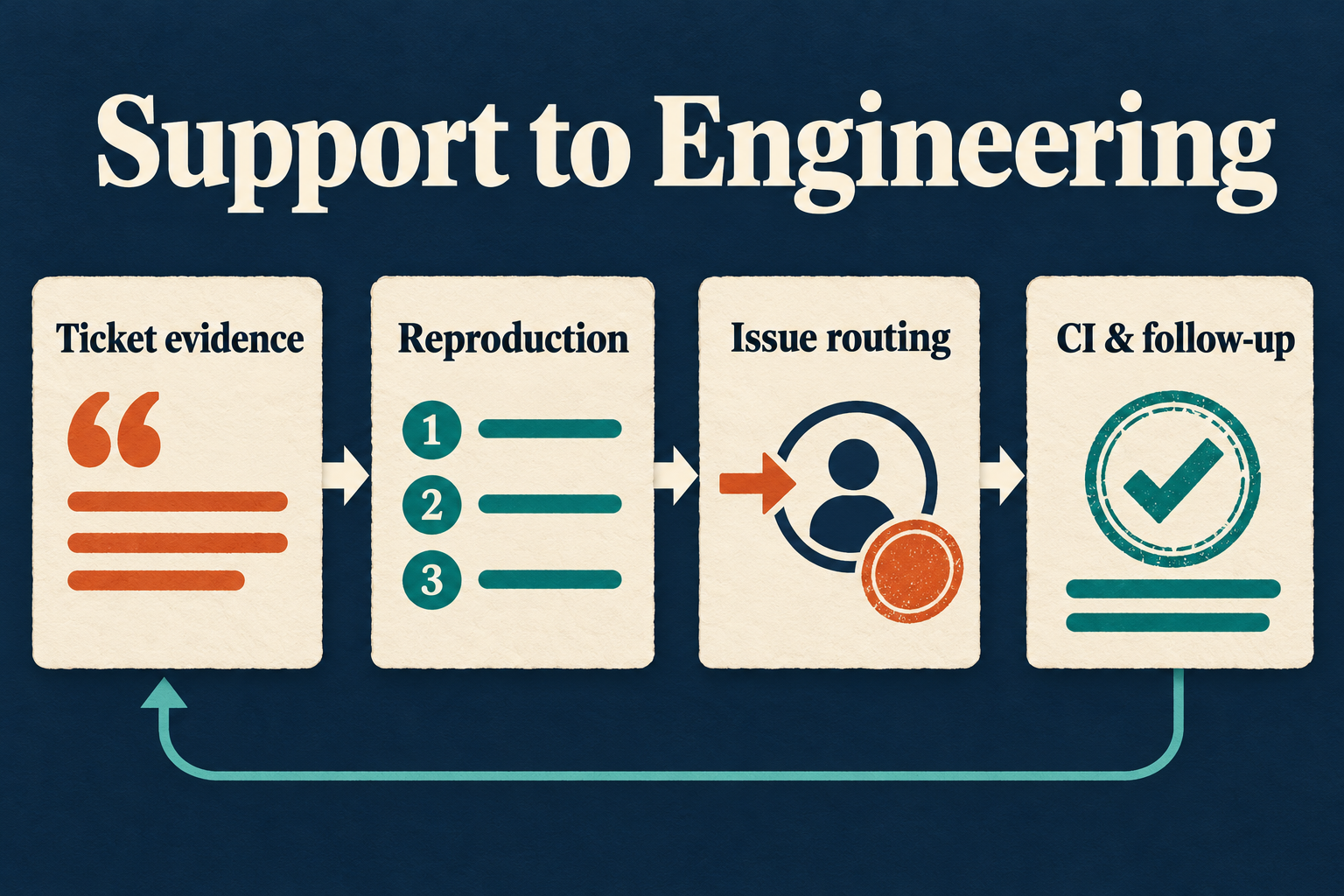
In Short A support-to-engineering triage playbook turns a customer report into a decision-ready issue: what failed, who is affected, how to reproduce it, and who owns the next response. Use an agent to assemble evidence and draft the handoff; have a person…
-
Skill Spotlight: Serena for Semantic Code Navigation and Refactors
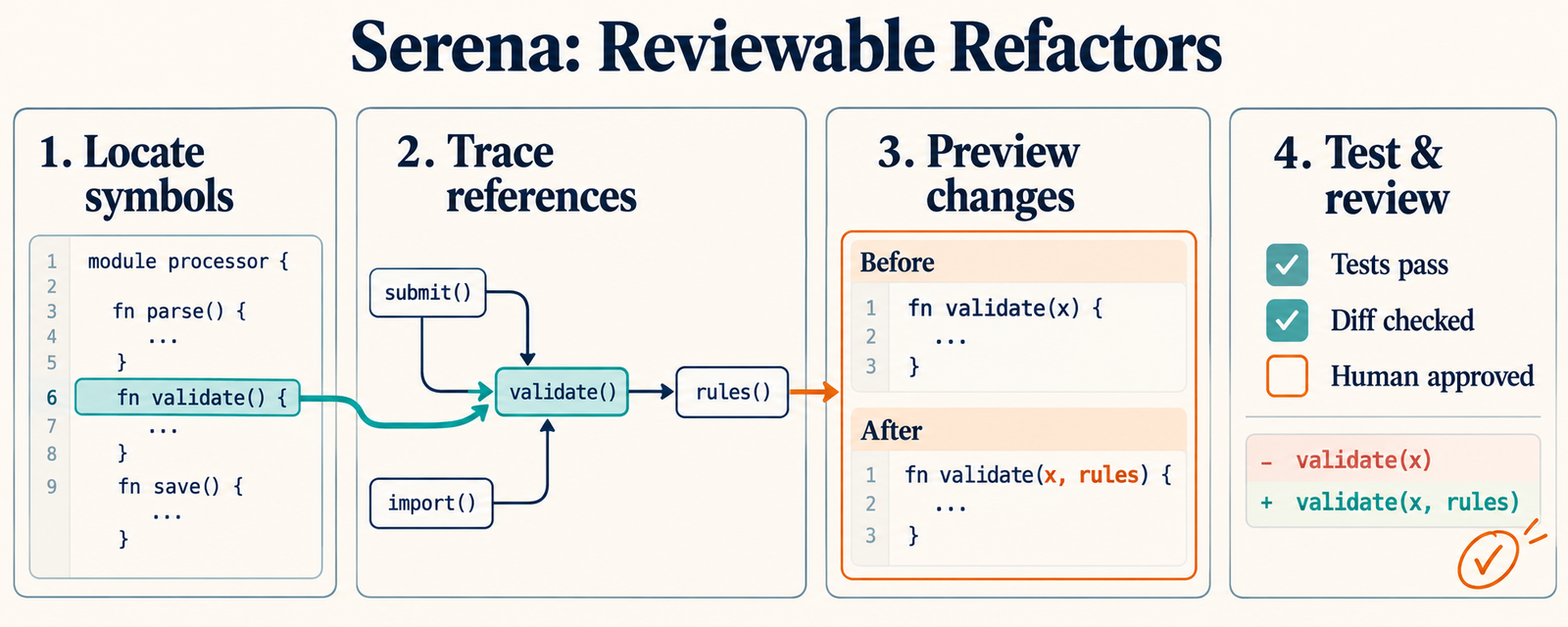
In Short Use Serena for semantic code navigation when a refactor depends on understanding which symbol a caller actually references. Start with a definition and its callers, agree on one change, then inspect the diff and run focused checks. Repeated syntax changes…
-
A Browser Automation Review Packet Before Agents Touch Production Sites
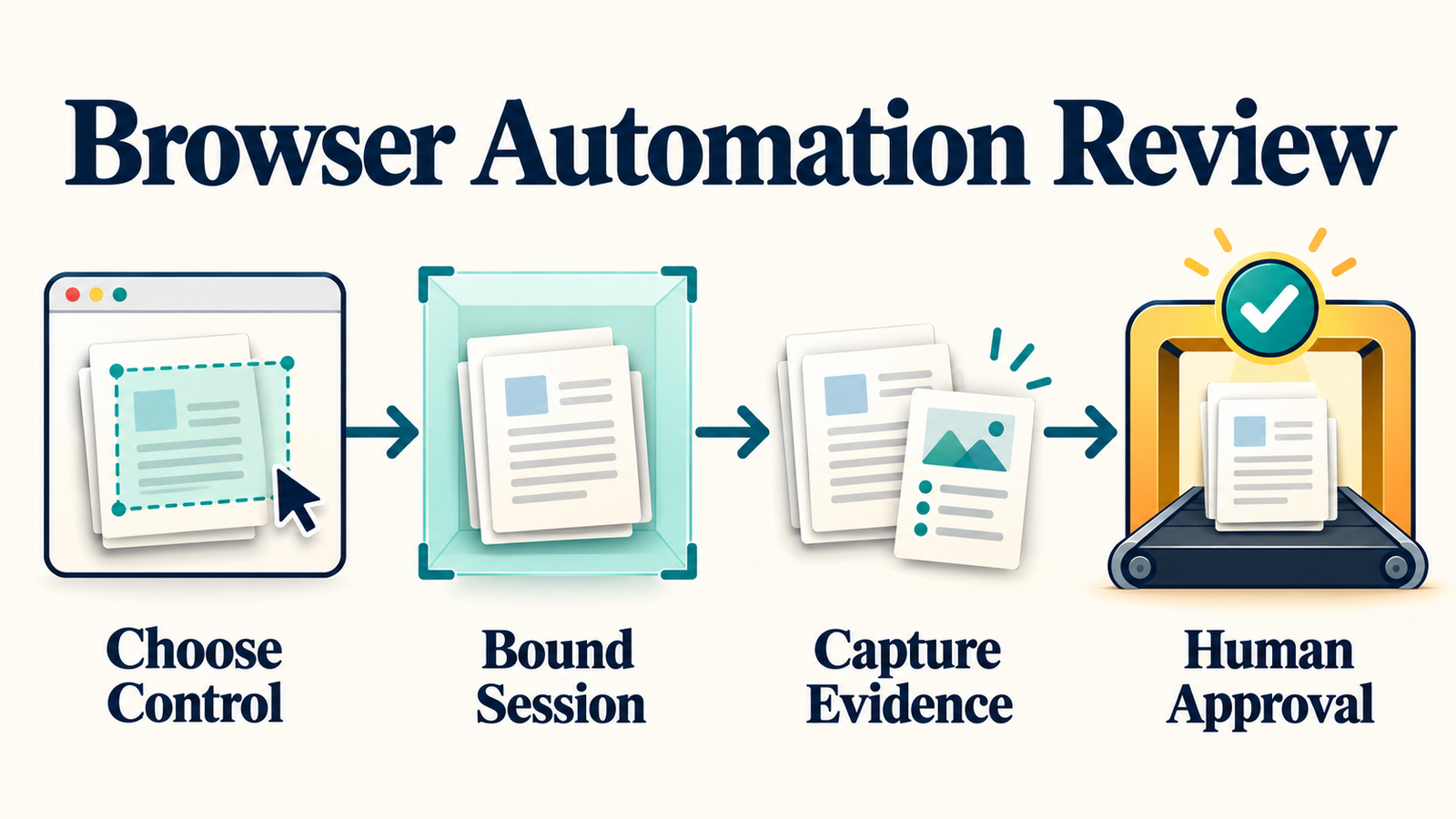
In Short A browser automation review packet should let another operator answer four questions: which browser can the agent control, what session can it access, what happened during rehearsal, and who approves the final action? Choose a control surface for one bounded…
-
Pipelock, AgentGuard, Agent Guardrails, or Invariant: Choosing an Agent Safety Gate
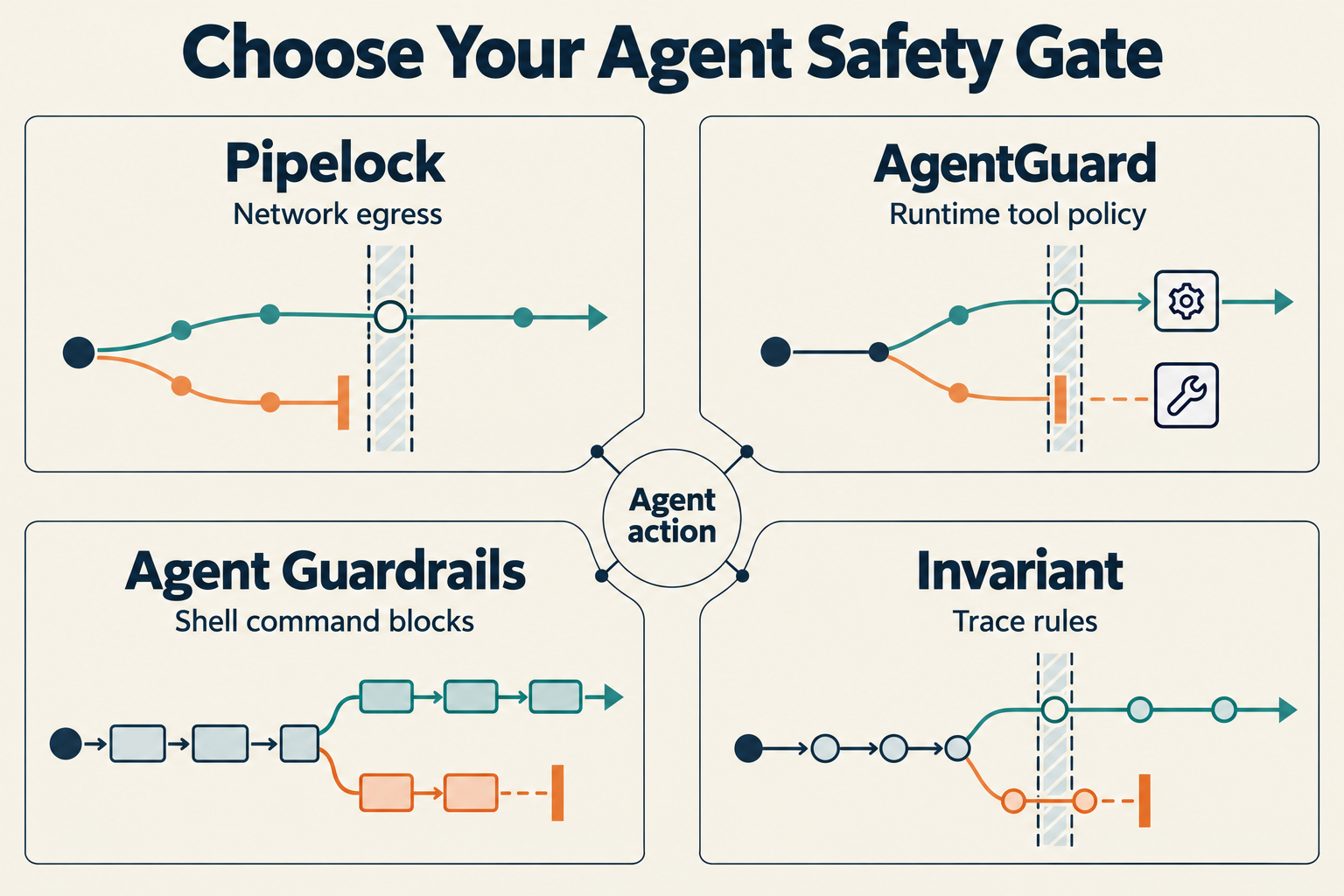
In Short Choose an agent safety gate by the boundary it can actually enforce. Start with Pipelock for mediated network egress, AgentGuard for runtime action policy and skill scanning, Agent Guardrails for destructive shell-command patterns, or Invariant for rules over agent traces…
-
An Agent Memory Hygiene Packet Before Context Becomes a Liability
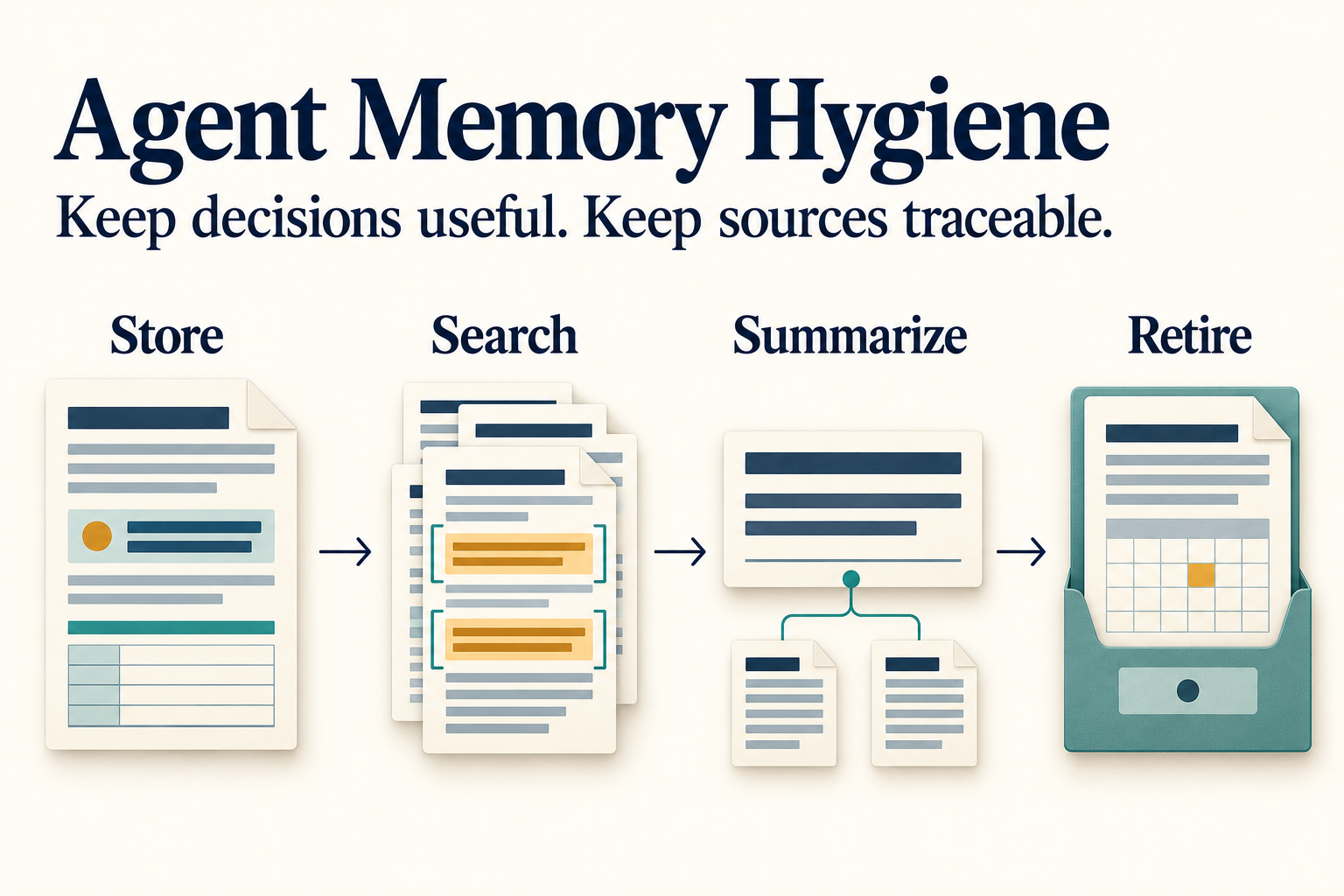
In Short Agent memory hygiene means keeping useful decisions easy to retrieve while preventing stale assumptions, duplicated notes, and bulky tool output from becoming permanent context. Build a small review packet before adding another memory system: an inventory, a storage rule, a…
-
A DevRel Knowledge Automation Playbook for Docs and Research Teams
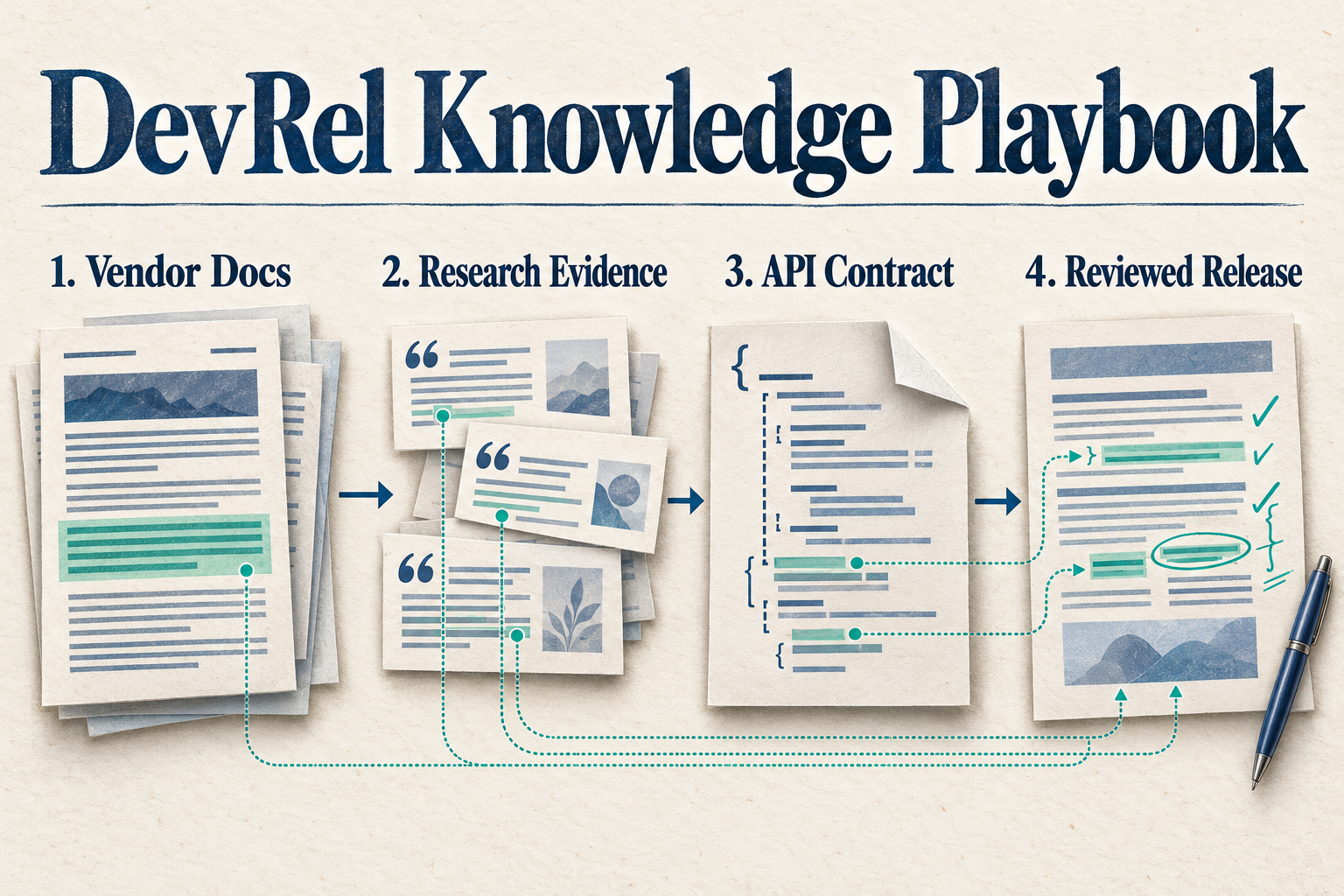
In Short A useful DevRel knowledge automation workflow produces an evidence packet before it produces a public answer. Start with vendor docs, separate research findings from product guarantees, validate the API contract, and review every outward-facing claim against its source. NotebookLM artifacts…
-
A Multi-Agent Coding Review Packet Before Parallel Work Merges
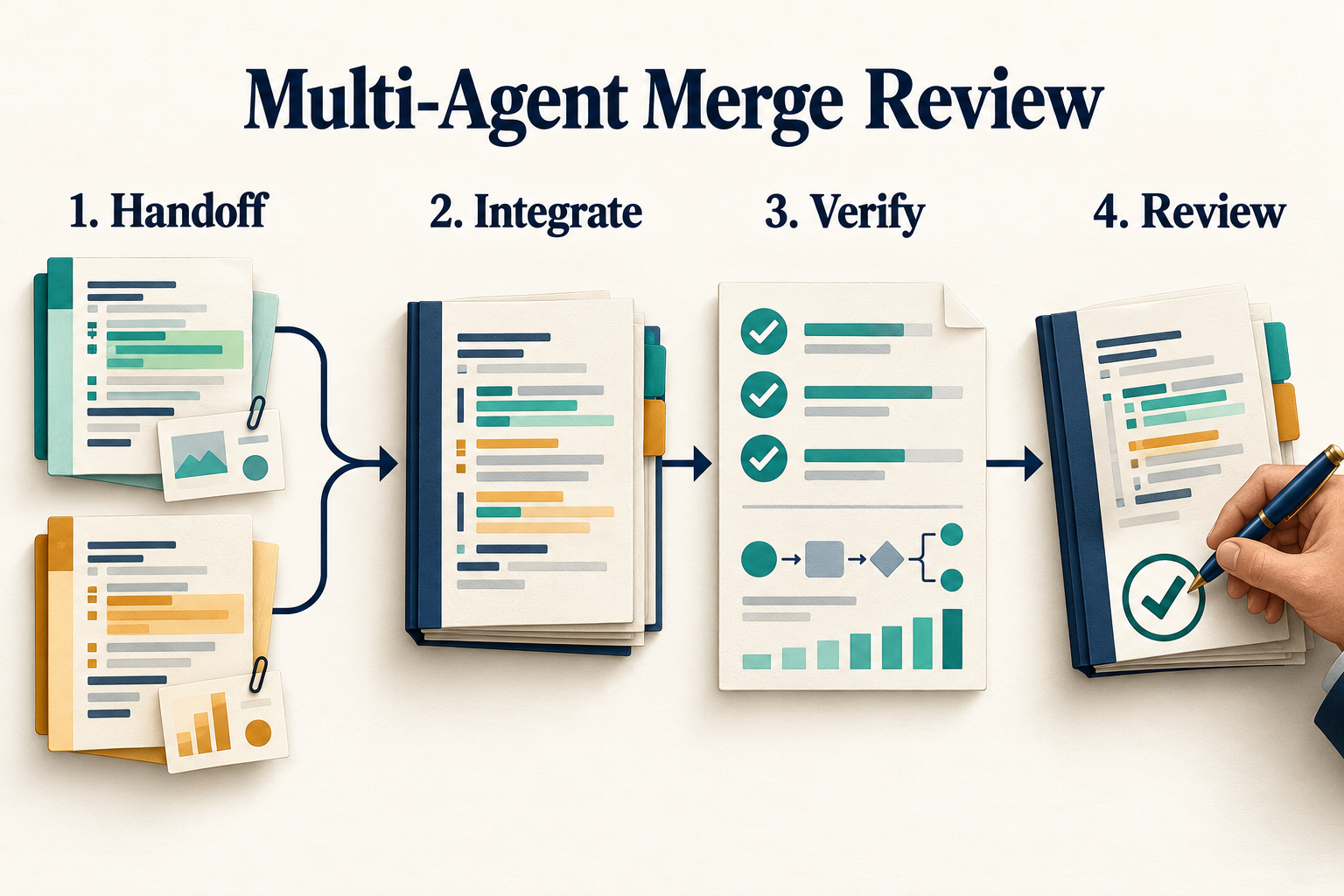
In Short A multi-agent coding review packet connects parallel changes to one reviewable result: the integration commit, each worker’s handoff, test evidence, CI status, and unresolved review comments. Build it before merging so a reviewer can trace what changed, why it changed…
-
Judge0, SandboxFusion, OpenSandbox, or SandBase: Choosing a Code Sandbox
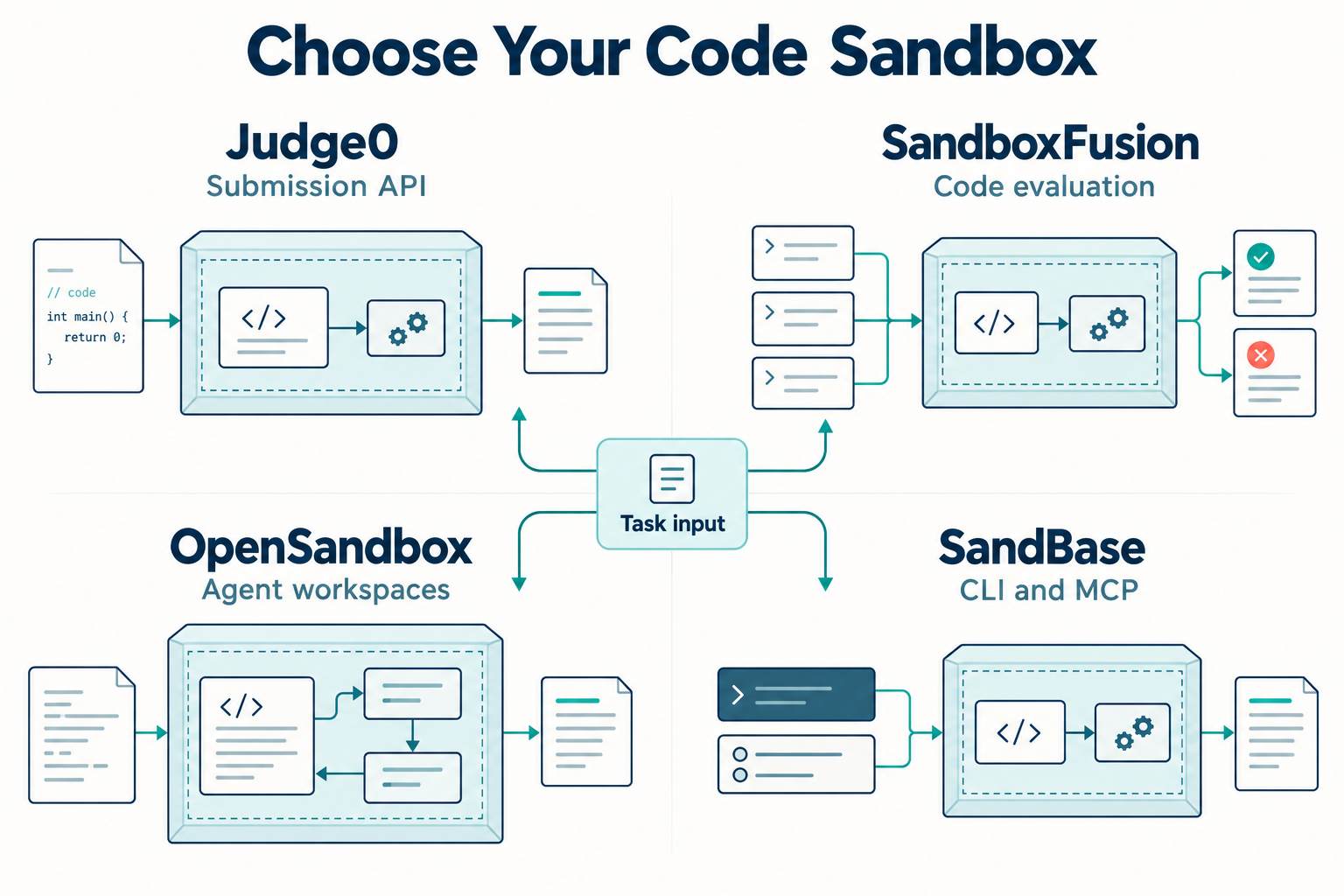
In Short Choose a code sandbox by the execution contract your application needs. Judge0 fits code submissions through an HTTP API; SandboxFusion fits running and judging model-generated programs; OpenSandbox fits agent workspaces with commands, files, and lifecycle management. SandBase needs a separate…